
Last updated October 16, 2026
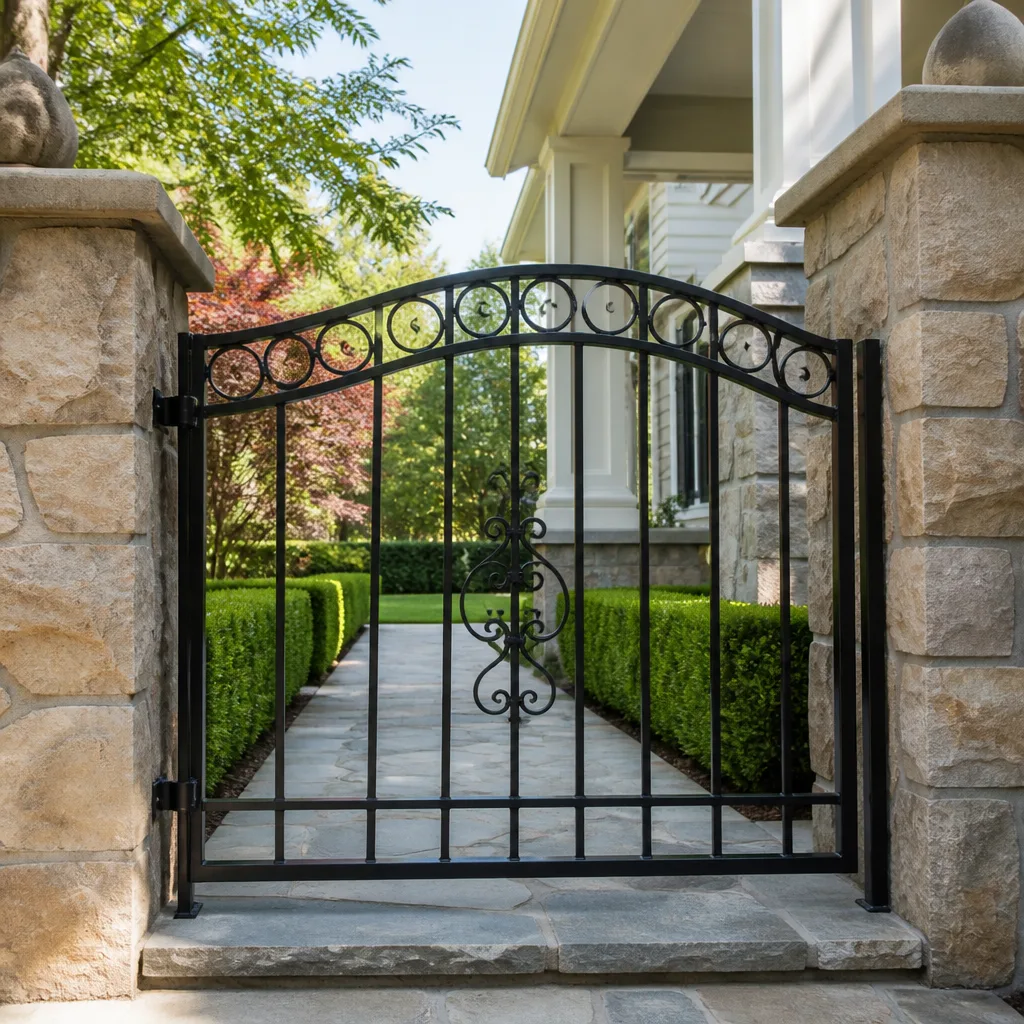 Wrought iron
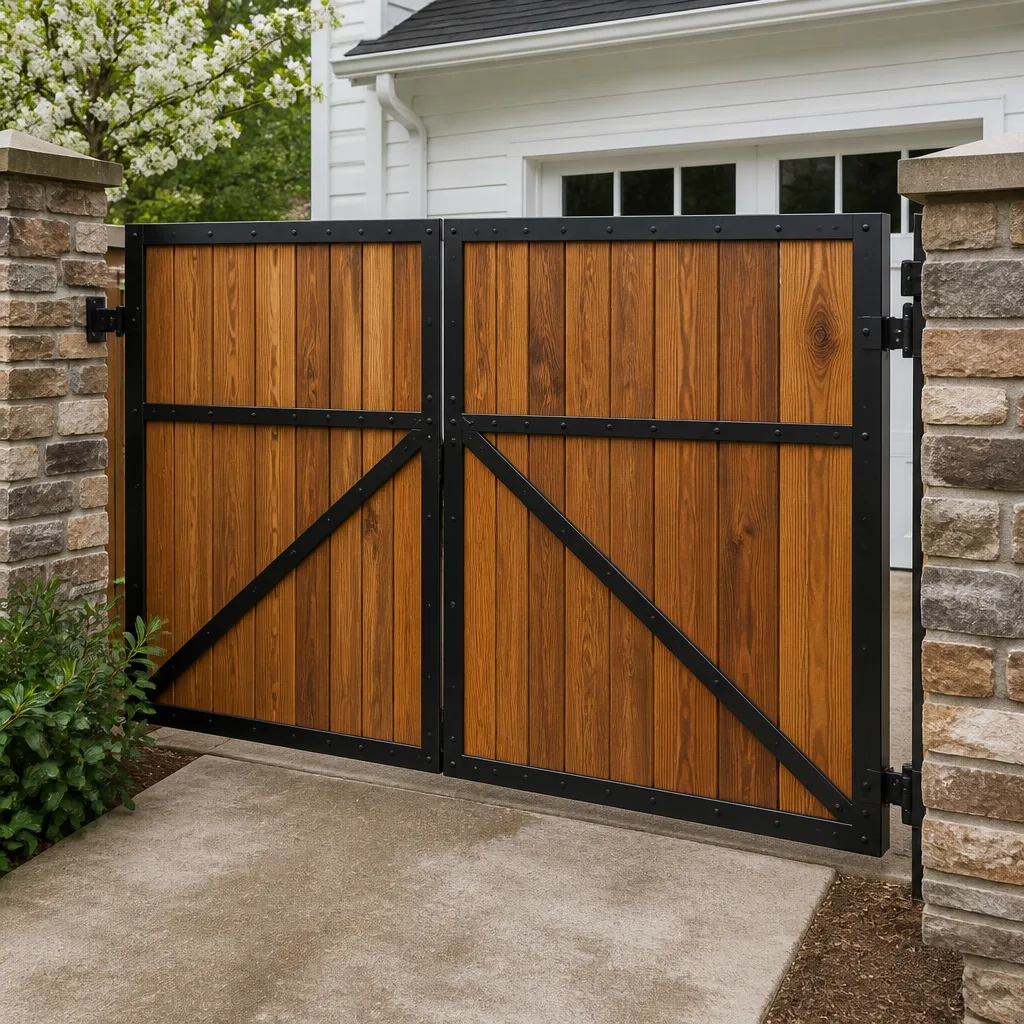 Wood & steel frame
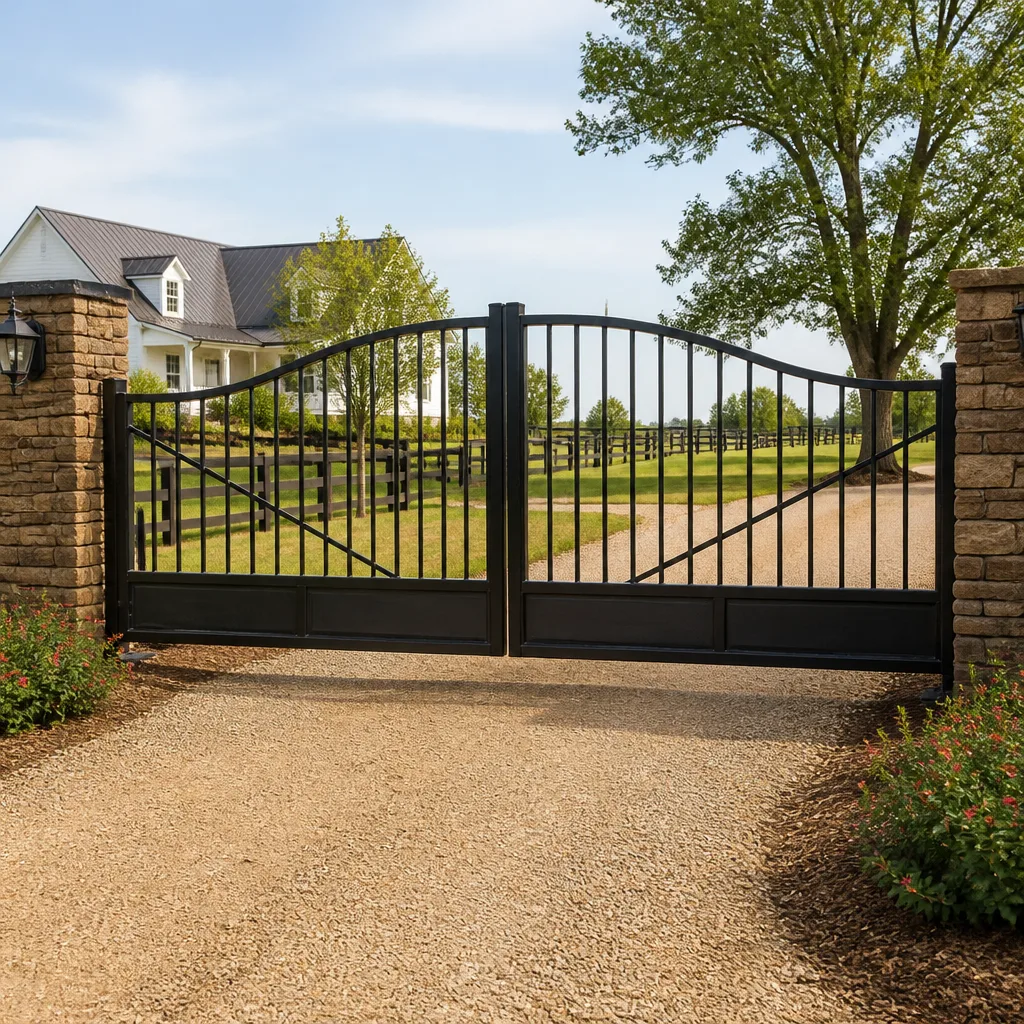 Farm & ranch
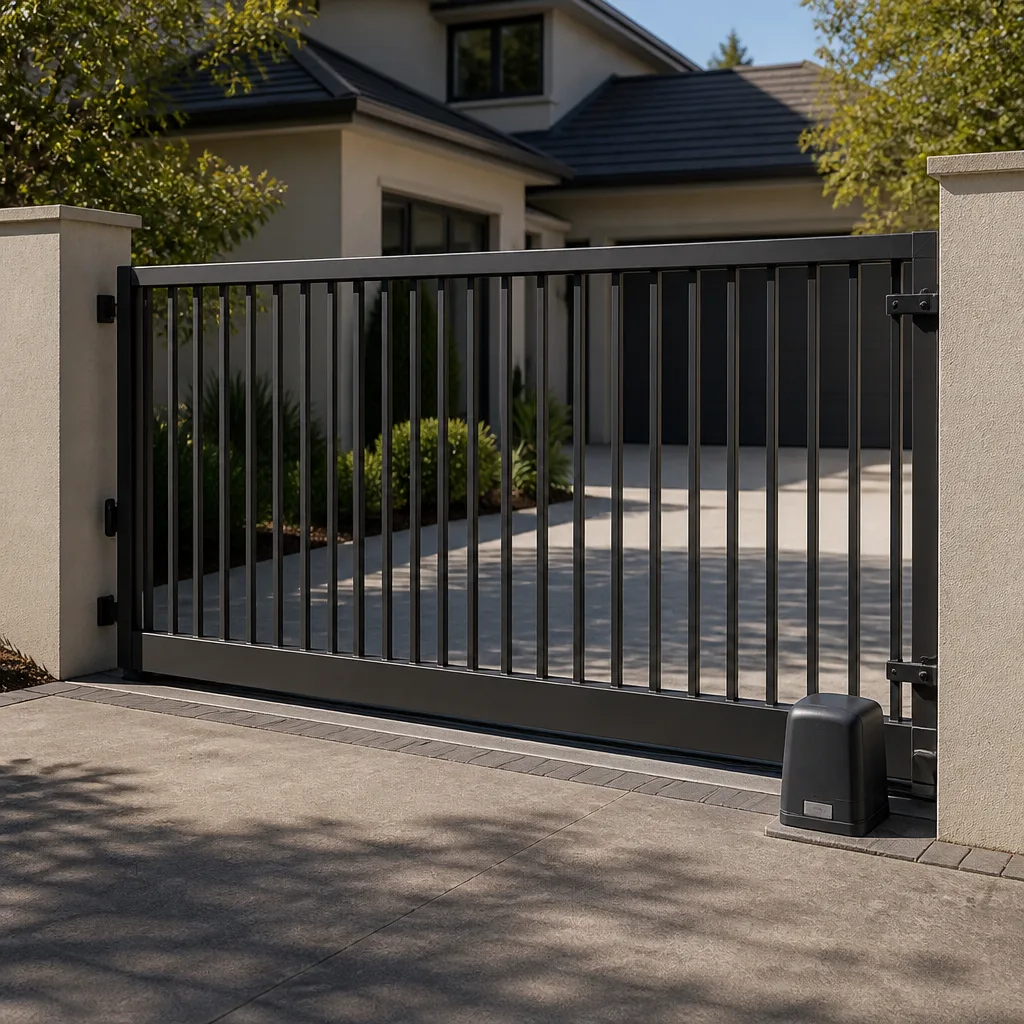 Sliding driveway gates
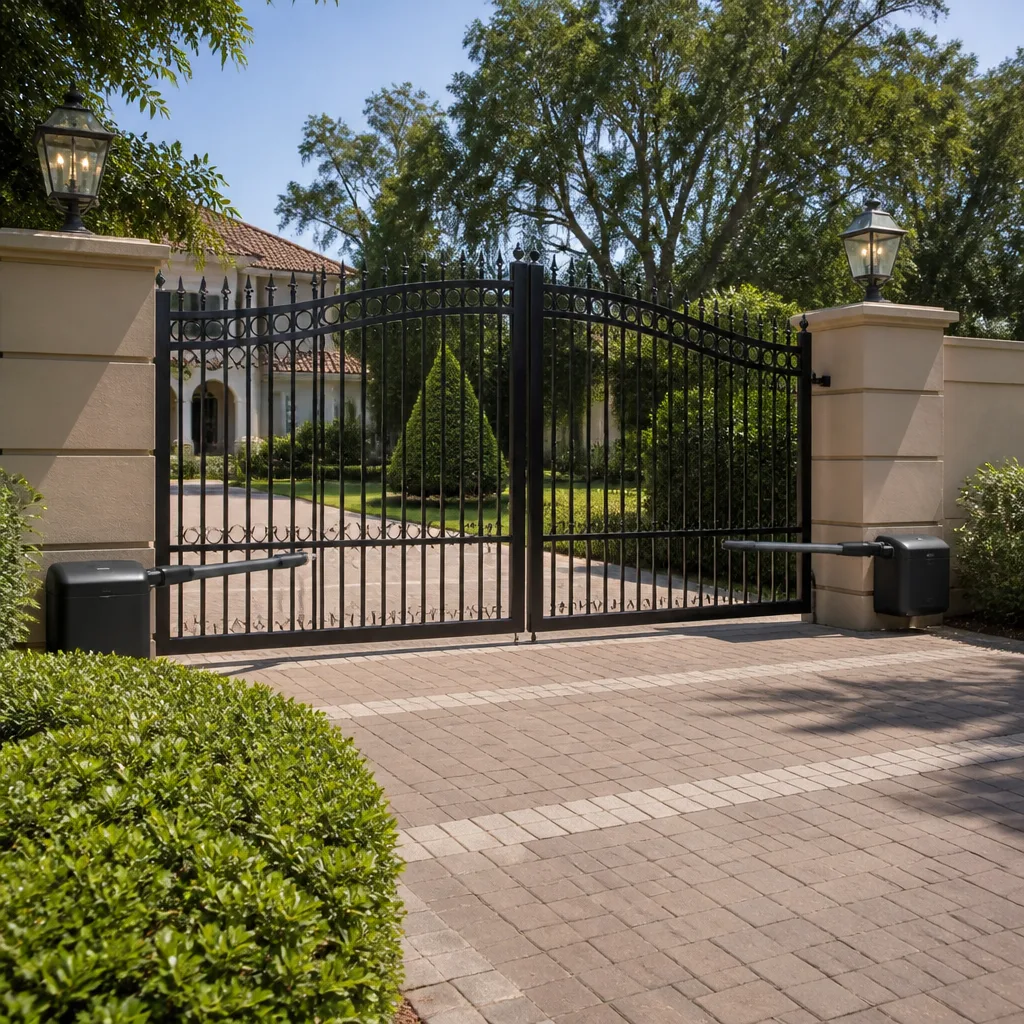 LiftMaster operators
Free on-site gate assessment - hinges, posts, and your LiftMaster or Nice gate operator checked before anything is quoted
The assessment is free and the quote is the invoice.
Get your free estimateGate Repair Permits, Codes & Inspections in NY: What You Need to Know
Most homeowners in Hempstead assume a gate is a fence. It is not. Under New York State building code, an automated gate is a mechanical system, which places it in the same regulatory family as an elevator or a garage door opener, not a cedar privacy panel. That single misclassification is why so many gate repairs and installations in Nassau County proceed without permits, and why problems surface later at resale, during an insurance claim, or after an entrapment injury. This guide explains the actual permit triggers, the UL 325 requirements inspectors enforce, how to check your property’s permit history, and what a proper gate inspection covers, so you can make a decision with the full picture before any work begins.
Quick Answer
In New York State, and specifically in Nassau County, gate repair permits are required when the work alters the mechanical or electrical system of an automated gate, such as installing a new operator, replacing a control board with a different model, or adding a new power run. Simple component swaps like a hinge, a wheel, or a limit switch typically do not require a permit. The governing standard is UL 325, which mandates specific entrapment protection devices on every automated gate, and compliance is verified through an inspection that focuses on safety edges, photo eyes, force settings, and warning signage.
Styles & brands we work with
Table of Contents
- The Nassau County Permit Threshold: Repair vs. Alteration
- UL 325 and Entrapment Protection: What the Code Actually Requires
- How to Check Your Property’s Permit History Before Any Work
- What Inspectors Actually Check During a Gate System Inspection
- Contractor Responsibility vs. Homeowner Responsibility for Permits
- What Permits, Inspections, and Compliant Repairs Cost in Hempstead
- How a Non-Compliant Gate Affects Your Homeowner’s Insurance
- Permits, Resale, and the Liability You Carry Without Realizing It
The Nassau County Permit Threshold: Repair vs. Alteration
The line that separates a permit-exempt repair from a permitted alteration in Nassau County is drawn around one question: does the work change how the gate operates mechanically or electrically? Swapping a worn hinge, replacing a bent track wheel, or installing a new gate roller does not change the system’s function, and those repairs proceed without a building permit. Installing a new gate operator, replacing an existing operator with a different model or voltage, or adding a new circuit to power the gate changes the system’s behavior and triggers the permit requirement.
What most homeowners in Hempstead miss is that “new operator installation” is the specific phrase Nassau County building officials use when determining whether a permit is required. If the old swing arm operator comes off and a new articulating arm from a different manufacturer goes on, that is an alteration, not a repair. The county wants to review that work because the entrapment protection requirements under UL 325 vary by operator type, gate weight, and gate speed. A new operator on an old gate can create a hazard the previous setup did not have.
In practice, here is how the threshold breaks down:
- Permit-exempt repairs: hinge replacement, wheel or roller replacement, track alignment, limit switch adjustment, keypad reprogramming, loop detector sensitivity adjustment, manual release repair.
- Permitted alterations: new operator installation, operator replacement with a different model, control board replacement that changes operating logic, addition of a new power circuit, conversion from manual to automated operation, installation of a new gate leaf that changes weight by more than 10%.
The 10% weight change is a threshold worth remembering. If you replace a wooden gate leaf with a steel one, or add a welded steel frame to an existing leaf, the operator that was sized for the old weight may no longer meet the force and speed limits in UL 325. That triggers both a permit and, often, an operator replacement. We have seen this scenario repeatedly on properties near Hempstead Turnpike, where older wooden gates get upgraded to steel for security and the existing operator gets pushed beyond its rated duty cycle.
UL 325 and Entrapment Protection: What the Code Actually Requires
UL 325 is the national safety standard for gate operators, and New York State adopts it by reference in the building code. The core requirement is simple: an automated gate must not be able to crush, pin, or drag a person. The standard achieves this through a combination of inherent force limits and external entrapment protection devices. Every automated gate installed or altered in Nassau County must comply with UL 325 as of the date of the work, not the date the gate was originally built.
The entrapment protection requirements break down by gate type and operator class. A swing gate needs different protection than a slide gate, because a swing gate creates a pinch point at the hinge post that a slide gate does not have. A slide gate creates a shear hazard at the post where the gate travels past a fixed object. The standard addresses each hazard specifically.
Here is what a compliant system needs:
- Primary entrapment protection: an inherent force-limiting device in the operator that reverses the gate when it encounters resistance above a set threshold. This is built into the operator and cannot be disabled.
- Secondary entrapment protection: an external device, either photo eyes (photoelectric sensors) or contact safety edges, that detects a person or object in the gate’s path and signals the operator to stop or reverse.
- Warning signage: two placards per gate, one on each side, warning of automatic operation and entrapment risk. These are required by UL 325 and are the single most common item inspectors flag as missing.
- Manual release: a mechanism that allows the gate to be opened by hand in a power failure, accessible from the outside of the property.
On gates using operators from Viking, Ghost Controls, DoorKing, or Elite, the force limit and speed settings are adjustable, and a non-compliant adjustment is the most frequent cause of a failed inspection in Hempstead. An installer sets the force limit high to keep a heavy gate moving reliably, and the gate now has enough force to pin a child. The inspector tests the force with a gauge and fails the system. It is a fixable problem, but it requires someone who knows the specific operator’s programming menu.
How to Check Your Property’s Permit History Before Any Work
Before you pay for any gate repair or alteration in Hempstead, you can and should pull your property’s permit history. This tells you what work was previously permitted, what was done without a permit, and what the inspector is likely to flag when they review the property. The process is straightforward and takes less than an afternoon.
In Nassau County, permit records are maintained by the county’s Department of Buildings. Hempstead residents can request records through the county’s online portal or in person at the building department office. The request requires the property’s section, block, and lot number, which you can find on your tax bill or by searching the Nassau County Land Records viewer.
Here are the steps:
- Find your section, block, and lot number from your tax bill or the Nassau County property records search.
- Submit a records request to the Nassau County Department of Buildings, specifying the property address and requesting all permits related to fence, gate, electrical, and mechanical systems.
- Review the returned permits for any gate-related entries. Note the date, the scope of work, and the inspector’s sign-off.
- Compare what the permit says against what exists on your property. If the previous owner pulled a permit for a manual gate but you now have an automated one, that operator installation was likely unpermitted.
- If gaps exist, disclose them to any contractor you are considering. A competent gate contractor can tell you what corrective steps, if any, are needed to bring the system into compliance.
This step matters because Nassau County can require the current owner to correct unpermitted work even if the previous owner did the work. When we work on properties in Hempstead where the permit history is unclear, we recommend resolving the record before we touch the gate. It protects the homeowner from inheriting an enforcement action.
What Inspectors Actually Check During a Gate System Inspection
A Nassau County gate inspection is not a formality. The inspector arrives with a checklist tied to UL 325 and the New York State building code, and they will test the system, not just look at it. Knowing what they check helps you prepare and avoids a failed inspection that costs you a second trip and a re-inspection fee.
The inspection breaks down by component category:
- Operator and control board: the inspector confirms the operator matches the permit application, checks that the force limit is set correctly, and verifies the control board has the proper UL listing for the gate type.
- Entrapment protection devices: photo eyes are checked for alignment and range, contact edges are pressed to confirm they trigger a reversal, and the inspector tests the gate’s reversal behavior with an actual obstruction.
- Warning signage: two placards per gate, permanently mounted, visible from both sides. Missing signage is an automatic inspection failure.
- Manual release: the inspector verifies the gate can be opened by hand in a power failure and that the release is accessible from the outside without a special tool.
- Electrical work: the power run, conduit, and any junction boxes are checked for correct installation. In Hempstead, where many homes predate modern electrical codes, the inspector often flags the power run as the weakest point.
- Gate weight and speed: the inspector measures the gate’s travel time and compares it to the UL 325 limits for the gate type. A gate that closes too fast is a failure.
In our experience on Hempstead properties, the two most common failure points are missing warning placards and incorrectly set force limits. Both are cheap to fix and both are entirely avoidable if the installer follows the standard during the initial work. The inspection fee itself is a county charge, separate from any contractor’s work, and a re-inspection after a failure costs the homeowner a second fee.
Contractor Responsibility vs. Homeowner Responsibility for Permits
In Nassau County, the legal responsibility for pulling a permit falls on the party named on the permit application, which is usually the contractor. But the practical and financial responsibility falls on the homeowner, because the homeowner owns the property and answers to the county when work is done without a permit. This split is the source of most disputes.
The contractor’s responsibility is to know when a permit is required, to pull it before starting the work, to schedule the inspection, and to be present for it. A contractor who tells you a permit is not needed when the work involves a new operator installation is either uninformed or hoping to skip the inspection to save time. Either way, you are the one who carries the liability.
The homeowner’s responsibility is to verify the permit was actually pulled, not just asked for. You can check the county’s records directly, and you should. You are also responsible for keeping the permit documentation for as long as you own the property, because the next buyer will likely ask for it. If the work was done unpermitted under a previous owner and you discover it now, you are the one who must correct it.
The cleanest approach is to work with a contractor who pulls the permit, schedules the inspection, and stands behind the work with a written guarantee. At Carver Gate Repair Hempstead, we handle the permit process for the homeowner, but the homeowner remains the permit holder of record, which is how Nassau County wants it structured. For more on how we approach gate work specifically in this market, see our Gate Repair in Hempstead page.
What Permits, Inspections, and Compliant Repairs Cost in Hempstead
Permit fees in Nassau County for gate work are modest compared to the cost of the work itself. The larger expense is the labor to bring a non-compliant system up to code, which is where the real money moves. Knowing the typical ranges before you start helps you budget and compare honest quotes.
Here is what we see across Hempstead and the surrounding Nassau County market:
- Building permit for a gate operator installation: $150 to $400, depending on the scope and the county’s current fee schedule.
- Electrical permit for a new power run: $75 to $250, if the gate work includes new electrical service.
- Inspection fee: $100 to $300 per inspection, with re-inspection fees ranging from $50 to $150 if the first visit fails.
- Minor compliant repair (hinge, wheel, limit switch): $180 to $450, no permit required.
- Operator replacement with a UL 325 compliant unit: $1,200 to $3,800 installed, depending on the operator type and gate weight. This work does require a permit.
- Full compliance retrofit on an older automated gate: $2,500 to $6,500, including photo eyes, safety edges, warning placards, force limit adjustment, and inspection coordination.
These numbers reflect the Hempstead market specifically, where older properties with long-established gates are common, and the cost of a compliance retrofit often exceeds the cost of the original gate installation. The lesson is that a permit is a small line item compared to the cost of correcting an unpermitted installation later. For motor-specific work, our Gate Motor Repair in Hempstead page covers operator replacement in more detail.
How a Non-Compliant Gate Affects Your Homeowner’s Insurance
Homeowner’s insurance policies in New York generally exclude or limit coverage for injuries caused by unpermitted or non-code-compliant work. This is not a theoretical risk. If a child is injured by an automated gate on your property and the gate lacks the entrapment protection required by UL 325, the insurer has a clear path to deny the liability claim. You would then face the claim personally.
Beyond the injury scenario, a non-compliant gate can affect your ability to renew your policy. Some insurers now ask specifically about automated gate systems on the property, and if the answer is yes, they ask whether the system was permitted and inspected. A homeowner who cannot produce the permit or the inspection report may face a higher premium or a non-renewal.
The repair is usually less expensive than the exposure. Bringing an older gate up to UL 325 compliance in Hempstead typically costs between $2,500 and $6,500, as noted above. That is a fraction of what a serious entrapment injury claim would cost you in legal defense, let alone a judgment. We recommend treating gate compliance the way you treat smoke detectors: it is a safety system, and the inspection is proof the system works.
Permits, Resale, and the Liability You Carry Without Realizing It
When you sell a home in Hempstead, the buyer’s attorney will typically request disclosure of any unpermitted work done on the property. If the automated gate was installed or altered without a permit, and you fail to disclose it, you have created a post-closing liability that can follow you for years. The buyer can claim misrepresentation, and the cost of bringing the gate into compliance then falls on you, after the sale, at whatever price the market dictates.
Even if the buyer does not ask specifically about the gate, Nassau County’s record-keeping means the gap can surface during the title search or in the county’s property records. Buyers who discover unpermitted mechanical work often use it to renegotiate the price, and the reduction is usually far larger than the cost of the original permit would have been.
The practical advice is to resolve any unpermitted gate work before you list the property. Pull the records, determine what is missing, and bring the system into compliance. Then you can sell with clean records, and the gate becomes an asset in the listing rather than a liability in the closing. For homeowners considering a full gate replacement before sale, our Gate Installation in Hempstead page covers what a permitted installation involves.
Common Mistakes to Avoid
- Assuming a gate is a fence, not a mechanical system. This is the root error. Automated gates are regulated as mechanical systems under New York State code, which means permits and inspections apply in ways they do not for a static fence.
- Replacing an operator without checking UL 325 compatibility. A new operator on an old gate may not meet the entrapment protection requirements for that gate type, weight, and speed. The permit process exists partly to catch this before someone gets hurt.
- Skipping the permit to save a few hundred dollars. The permit is the cheapest part of a compliant gate job. The cost of correcting unpermitted work later, especially at resale or after an injury claim, is a multiple of that.
- Ignoring missing warning placards. Two placards per gate is a UL 325 requirement, and inspectors fail gates for missing signage more often than for any other single reason. It is a ten-dollar fix.
- Buying a Hempstead home without checking the gate’s permit history. The previous owner’s unpermitted operator installation becomes your problem the day you close. Check the records before you sign.
- Hiring a generalist contractor for gate work. A fence installer who does not know UL 325 force limits or photo eye alignment will produce a gate that fails inspection. This is specialized work, and the inspector will know if it was not done by someone who understands the standard.
See the difference
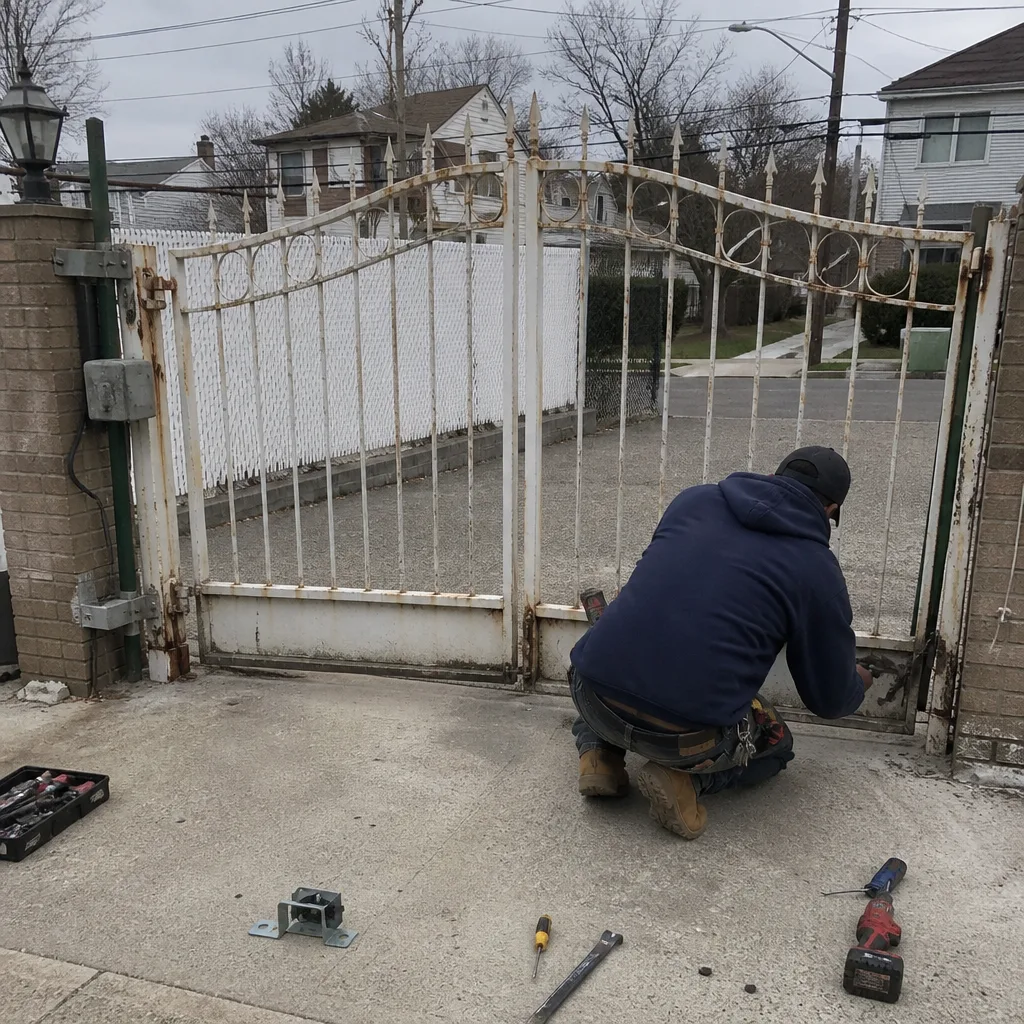 Before
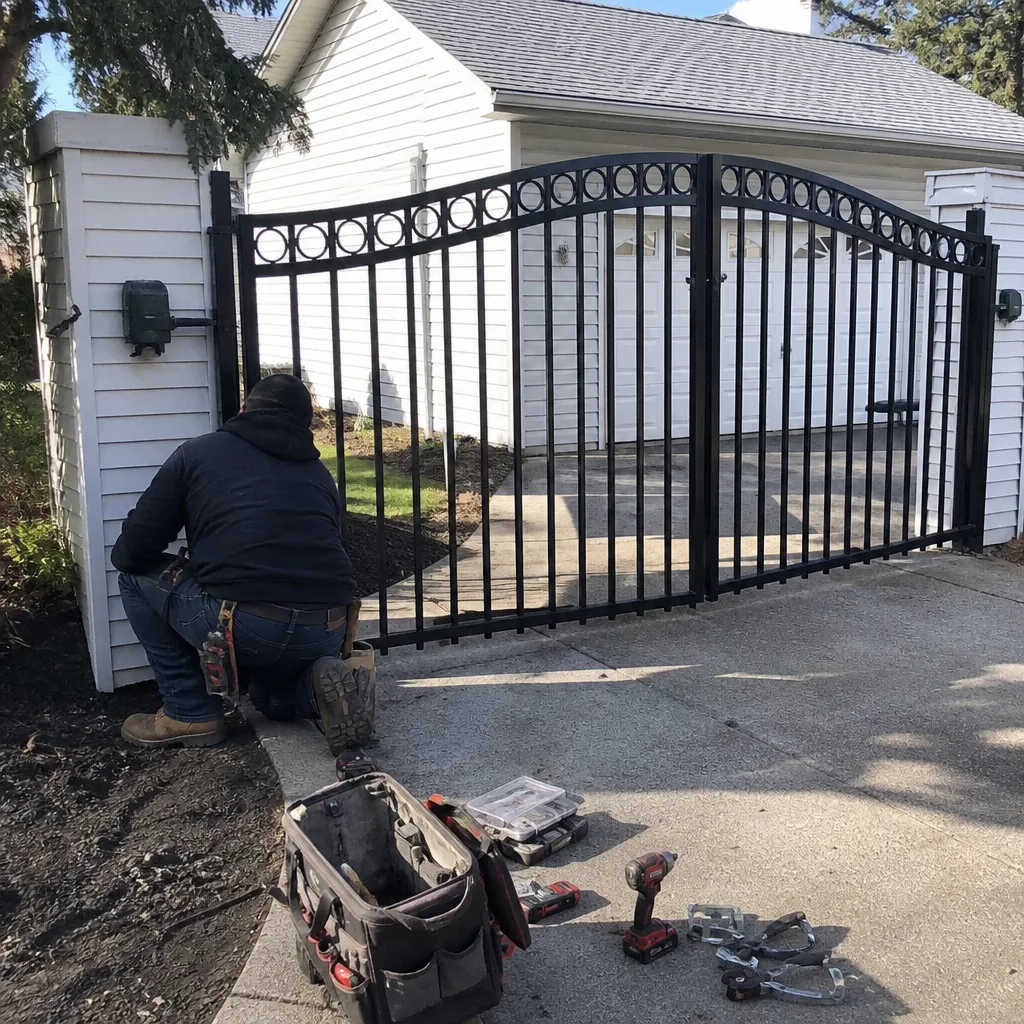 After
After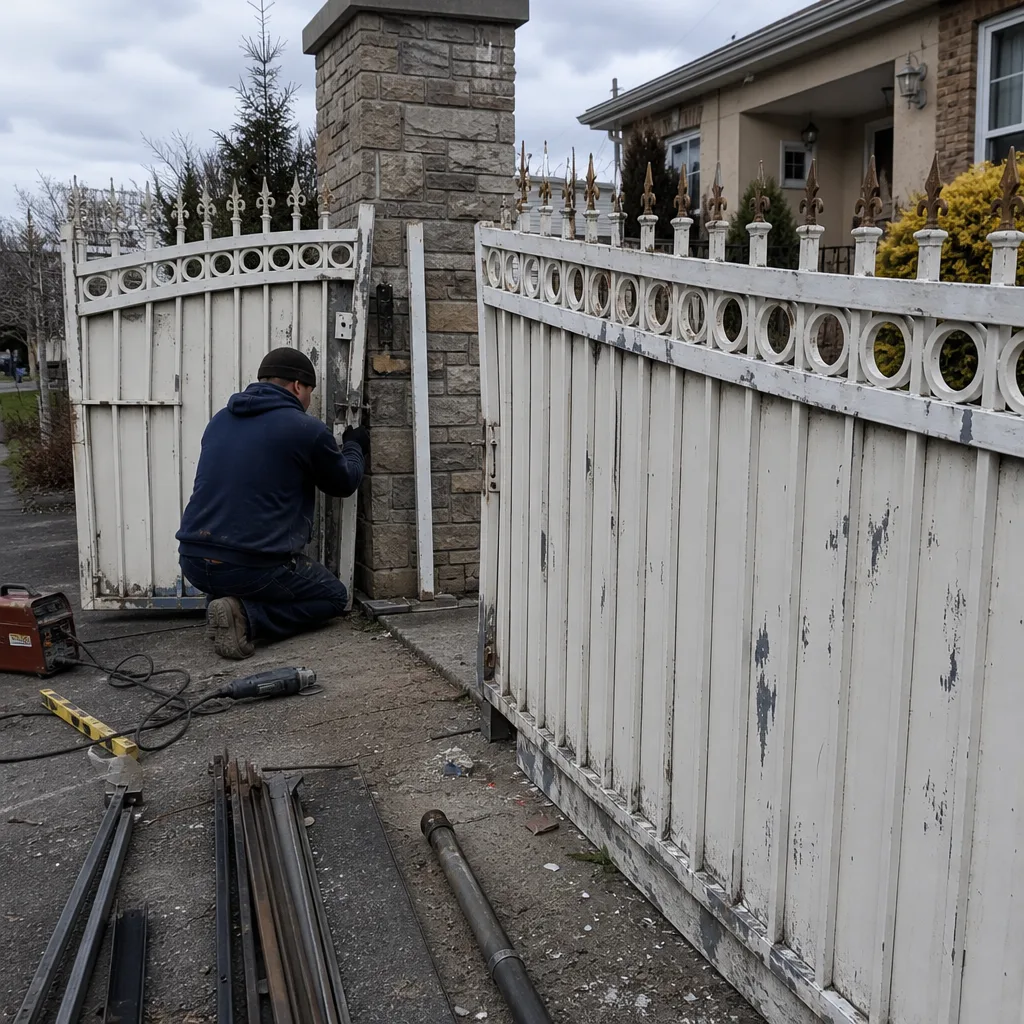 Before
 After
After Before
 After
AfterWhen to Call a Professional
You should call a gate contractor rather than attempting the work yourself whenever the task involves the operator, the control board, the power run, or the entrapment protection devices. These components carry the safety load under UL 325, and an incorrectly set force limit or a misaligned photo eye is exactly the kind of defect that causes an entrapment injury. A trained professional has the gauge for the force test, the programming knowledge for the specific operator brand, and the experience to pass the Nassau County inspection on the first visit. Carver Gate Repair Hempstead offers free estimates in Hempstead, handles the permit process from start to finish, and stands behind every repair with a written guarantee. Call (516) 559-4870 to schedule a visit.
Frequently Asked Questions
You need a permit if the repair changes the mechanical or electrical operation of the gate, such as installing a new operator, replacing an operator with a different model, or adding a new power circuit. Simple component swaps like hinges, wheels, and limit switches are exempt. If you are not sure, call (516) 559-4870 and describe the work, and we will tell you what the county requires.
UL 325 is the national safety standard for automated gate operators, adopted by New York State, requiring specific entrapment protection devices like photo eyes, contact edges, force limits, and warning placards. A gate that does not meet UL 325 is a code violation and a liability risk. The standard applies to the gate as it exists today, not as it was originally built.
A building permit for gate operator work in Nassau County typically runs $150 to $400, with inspection fees adding another $100 to $300. The total is small compared to the cost of correcting unpermitted work later. Call (516) 559-4870 for a current estimate on your specific project.
You can sell it, but the unpermitted gate becomes a disclosure issue and a liability. The buyer can renegotiate the price or come back after closing demanding correction. The cleaner path is to bring the gate into compliance and pull the proper permit before you list.
The inspector issues a correction notice listing the specific defects, and you must fix them and schedule a re-inspection, which carries an additional fee. The most common failures are missing warning placards and incorrectly set force limits. Fixing these before the first inspection saves you the re-inspection cost.
Yes. We pull the permit, coordinate the inspection, and make sure the gate passes before we consider the job done. Every repair also carries our written guarantee, good for a full year. Call (516) 559-4870 or visit our Carver Gate Repair Hempstead home page to learn more about how we work.
The Bottom Line
An automated gate in New York is a regulated mechanical system, and the permit requirements that come with that classification apply to more work than most Hempstead homeowners realize. The threshold is simple: if the work changes how the gate operates, it needs a permit. The inspection enforces UL 325 entrapment protection, and the cost of compliance is modest compared to the liability of a non-compliant gate. Check your permit history before any work begins, work with a contractor who pulls the permit and passes the inspection, and keep the records for as long as you own the property. For more guides & resources on gate compliance and safety, explore our blog. When the gate is compliant, documented, and inspected, it is an asset. When it is not, it is a liability you carry without knowing it.
Written by Lonnie Burke, Owner at Carver Gate Repair Hempstead, serving Hempstead since 2008.