
Last updated October 16, 2026
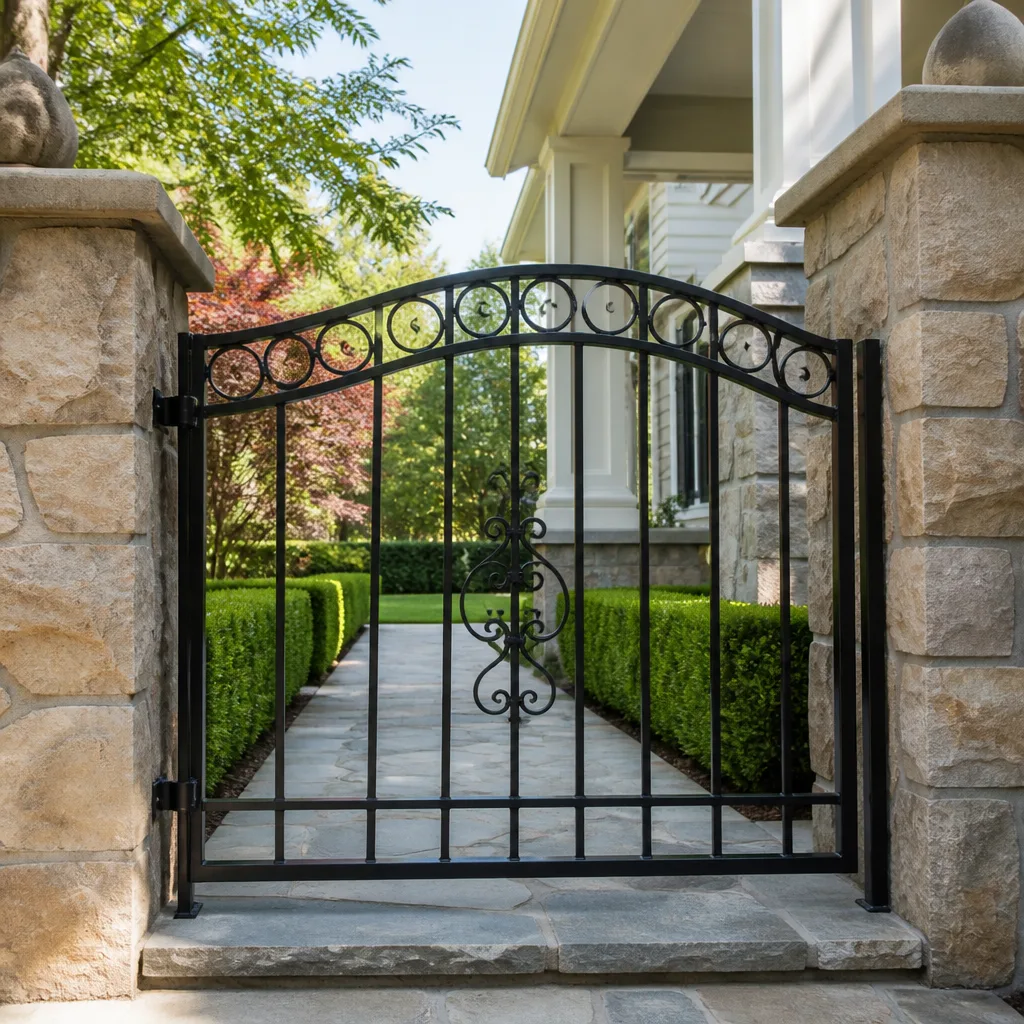 Wrought iron
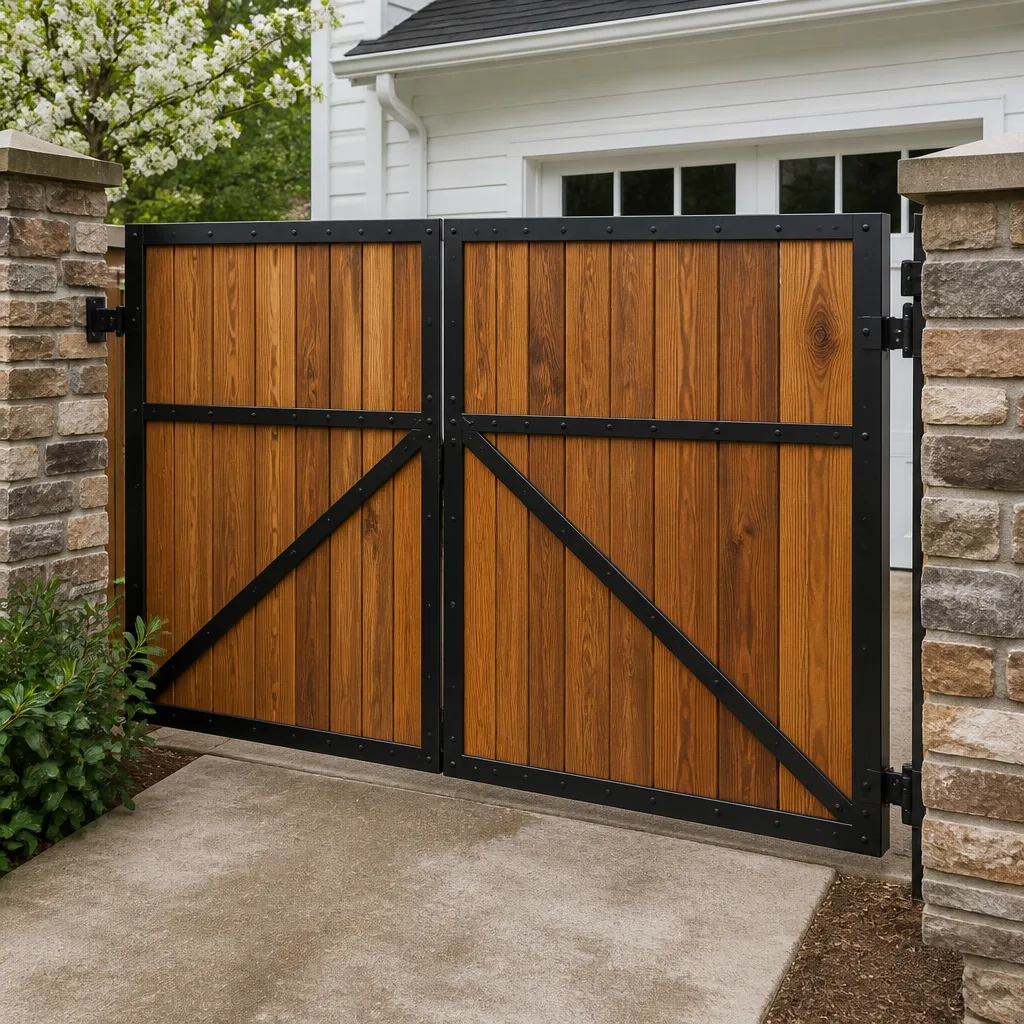 Wood & steel frame
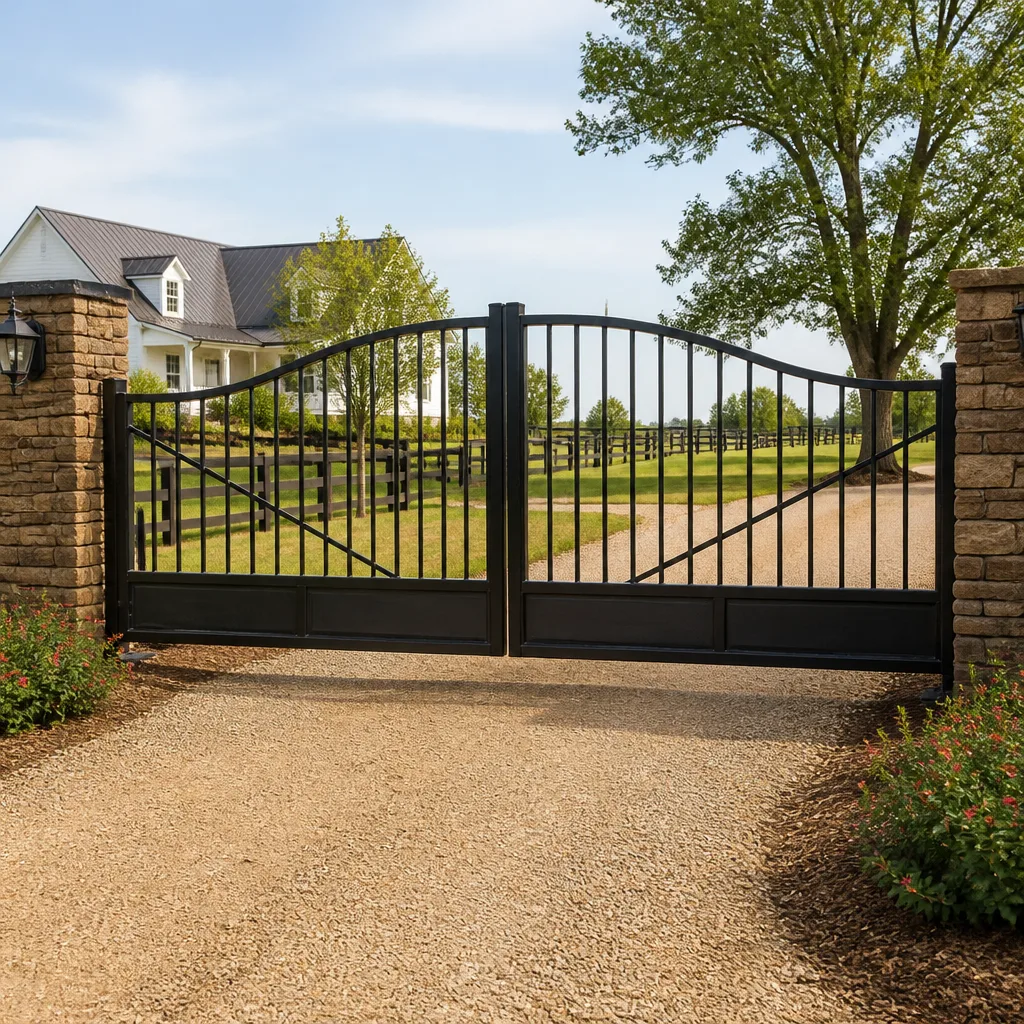 Farm & ranch
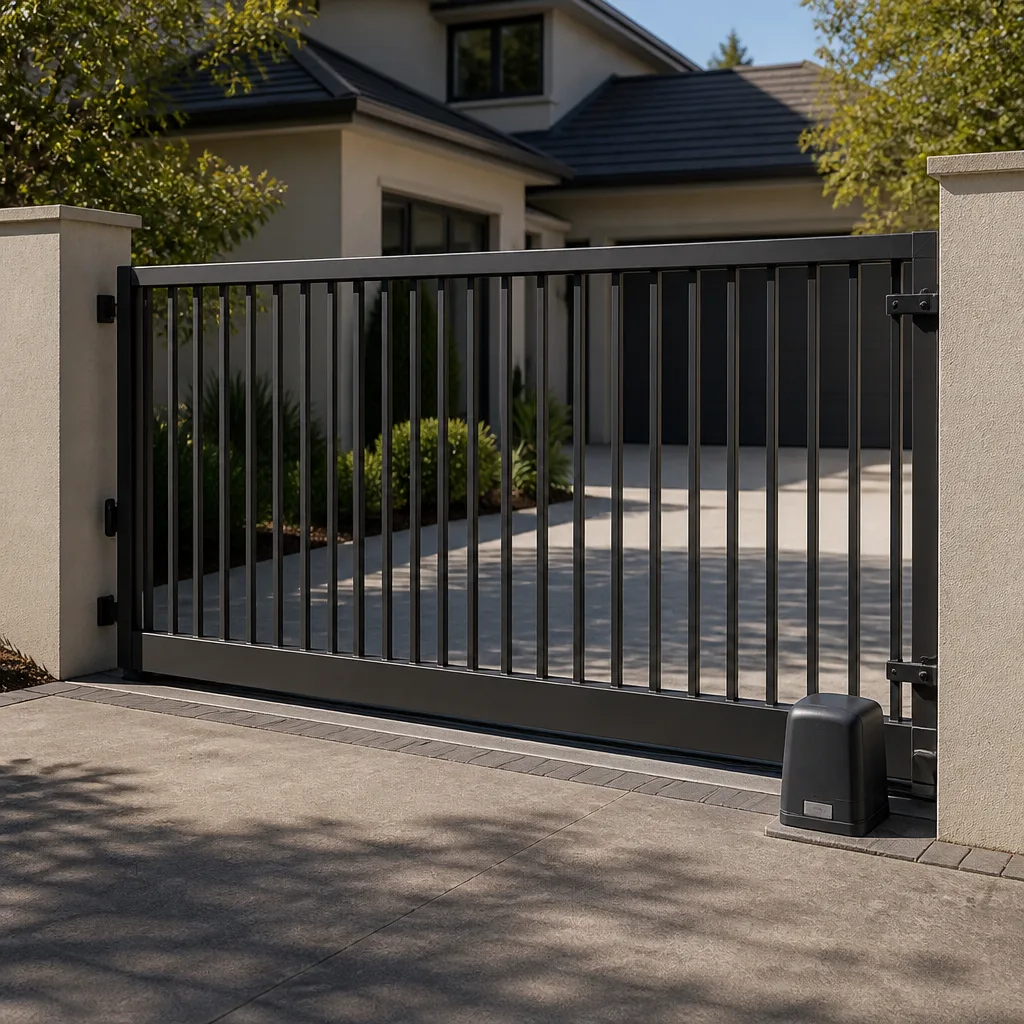 Sliding driveway gates
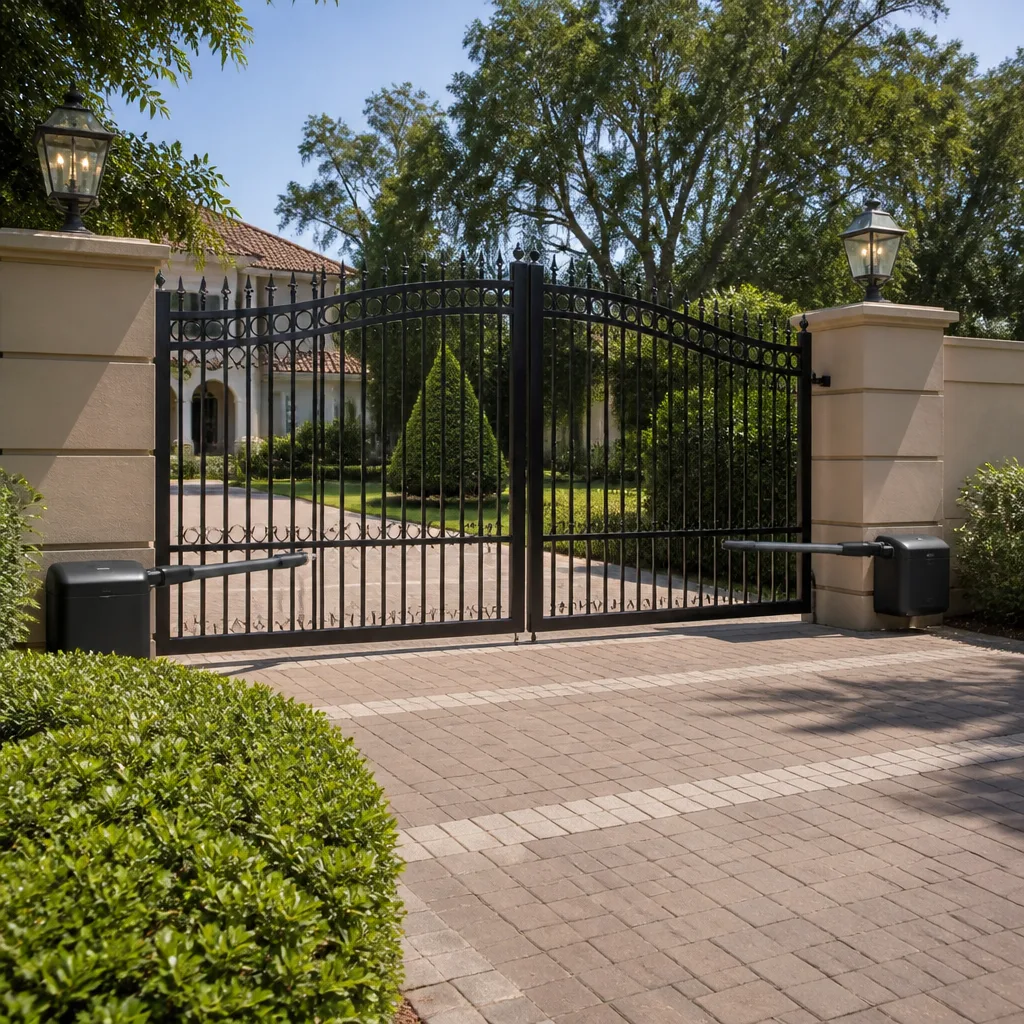 LiftMaster operators
Free on-site gate assessment - hinges, posts, and your LiftMaster or Nice gate operator checked before anything is quoted
The assessment is free and the quote is the invoice.
Get your free estimateGate Repair Warning Signs: A Hempstead Homeowner’s Reference Guide
Most gate failures in Hempstead don’t start with a bang. They start with a sound you almost didn’t notice, or a pause that lasted a half-second longer than it should have. A gate that reverses unexpectedly isn’t malfunctioning, it’s detecting an obstruction or a torque overload, and running it again without diagnosing why is how motors burn out. This guide, alongside our Seasonal Gate Repair Care for Hempstead: Year-Round Homeowner’s Guide, ranks the warning signs we see most often across Hempstead, from Baldwin Harbor to Garden City South, by urgency level, so you know the difference between “schedule this month” and “stop using the gate today.” You’ll learn which symptoms are cosmetic, which ones are structural, and how to document what you’re seeing so a technician can diagnose it over the phone.
Quick Answer
The three gate warning signs that require immediate stop-use in Hempstead are: a gate that reverses direction without any visible obstruction, a gate post that leans more than a quarter-inch out of plumb, and a gate that drags on the ground as it travels. Each of these indicates a structural or electrical fault that will get more expensive – and more dangerous – the longer you run the gate. Everything else, from slow travel speed to inconsistent remote range, can be scheduled for our Gate Repair services within a week or two without risking a full failure.
Styles & brands we work with
Table of Contents
- Tier One: Stop Using the Gate Today
- Tier Two: Schedule Within Two Weeks
- Tier Three: Monitor and Log
- How to Document a Warning Sign with Your Phone
- Brand Differences: LiftMaster, FAAC, and DoorKing
- What Hempstead’s Climate Does to Gates
- What Homeowners Can Safely Check vs. What Needs a Pro
- Common Mistakes to Avoid
- When to Call a Professional
- Frequently Asked Questions
Tier One: Stop Using the Gate Today
These three signs mean something is actively failing. Running the gate again will make the repair more expensive, and in the case of a leaning post, it creates a real risk of the gate falling. We’ve responded to gates in Baldwin that have come off their tracks entirely because a homeowner kept pressing the remote after the gate started binding. The fix went from a two-hour service call to a full reset of the gate leaf and a new hinge set.
1. Gate Reversal Without an Obstruction
A gate that starts closing, then reverses back open without anything in its path, is telling you something specific. On most systems, the gate’s operator monitors resistance. When resistance climbs above a set threshold, the operator assumes something is in the way and reverses. That’s a safety feature working as designed. But when nothing is actually in the way, it means the gate is binding somewhere – a failing roller, a hinge that’s begun to seize, a track that’s out of alignment, or a motor that’s losing torque. The risk here is that the operator keeps working harder to push through the resistance. Eventually the circuit board overheats or the motor burns out. A new board runs $180 to $450 on most residential operators. A new motor runs $400 to $900. Diagnosing the binding issue early usually costs less than either.
2. Visible Post Lean
Stand at the end of the gate and sight down the line of the hinge post. If it’s out of plumb by more than a quarter-inch over a four-foot level, stop using the gate. A leaning post means the foundation or the post base has begun to fail, and the entire weight of the gate is now pulling on the operator and the hinges. Every additional cycle loads the post further. In Hempstead, where freeze-thaw cycles are a regular winter event, post foundations shift. Once a post starts leaning, it doesn’t correct itself, and it can go from leaning to failed in a matter of weeks. Repairs range from a re-set post with new concrete, typically $600 to $1,400 depending on the size of the gate and whether the post is steel or aluminum, to a full replacement if the post has rotted or cracked, which can run $1,200 to $2,500. Compare that to the cost of the gate falling on a vehicle or a person, and the math is simple.
3. Gate Dragging on the Ground Surface
If your gate scrapes the driveway or the apron as it moves, you’re hearing metal on concrete or metal on asphalt. The gate leaf is either sagging at the hinges, the post has begun to lean (see above), or the ground surface has heaved – common in Hempstead after a winter of frost. Dragging puts extra load on the operator on every cycle, and it wears the bottom edge of the gate, destroying the finish and opening the door to corrosion. It also wears the roller, which then needs replacement. Address the root cause, not the symptom. If the gate sagged, a hinge adjustment and re-hang usually runs $250 to $500. If the post moved, see the section above. If the driveway heaved, you may need the gate re-raked or the bottom rail trimmed, which runs $200 to $400.
Tier Two: Schedule Within Two Weeks
These signs aren’t emergencies, but they won’t get better on their own. Schedule a service call within two weeks and you’ll typically avoid a Tier One event. We’ll walk through the three we see most in Hempstead, what they mean, and what they cost to fix before they escalate.
1. Increased Motor Noise
Every operator has a baseline sound. When that baseline changes – a new grinding, a whine that rises in pitch, a rattle that wasn’t there before – it means a component is wearing. Common culprits: a gear train that’s losing lubrication, a bearing that’s beginning to fail, or a belt that’s developing slack. Left to run, these turn into a seized gear or a thrown belt, and the repair moves from a $150 to $300 service to a $400 to $800 operator rebuild or replacement. A motor that’s running louder is a motor that’s working harder than it should. That’s also your energy bill, marginally, but more importantly it’s your operator’s remaining service life.
2. Slower Travel Speed
A gate that takes noticeably longer to open or close than it did a month ago is telling you about increasing friction or a weakening motor. Friction could come from rollers wearing out, hinges drying up, or debris built up in the track. A weakening motor often shows up as slow travel first, before it fails completely. On a swing gate, slow travel often means the articulating arm’s internal limit switches are beginning to drift. On a slide gate, it’s usually the rollers or the chain tension. Expect a service call to diagnose and correct travel speed issues to land between $175 and $350 in Hempstead, depending on the cause.
3. Inconsistent Remote Response Range
If your remote works from 30 feet on Tuesday and only 15 feet on Thursday, something is changing in the signal path or the receiver. It’s rarely the battery – most of the time, it’s environmental. New metal structures, a car parked between you and the receiver, or even heavy rain can affect range. But if the inconsistency persists, it can also be a receiving antenna that’s become loose or corroded, or interference from another device on the same frequency. Homeowners in Hempstead’s denser neighborhoods, including parts of Uniondale and West Hempstead, report more interference issues simply because there are more transmitters in the air. A receiver diagnosis and repair typically runs $100 to $250, and it’s far cheaper than finding out your remote has failed completely at 6 a.m. on a Monday.
Tier Three: Monitor and Log
These signs are cosmetic or intermittent. They don’t require a service call today, but they do require a baseline. Write down what you’re seeing, take a photo or video, and check again in a month. If the condition has progressed, move it up a tier.
1. Surface Rust on Non-Structural Components
Rust on a decorative scroll or a cosmetic bolt head is not a structural issue. But in Hempstead’s coastal-influenced climate, rust spreads faster than it does inland. Surface rust left untreated for a year becomes pitting, and pitting becomes structural weakness. Take a photo with a coin for scale. Log the date. Check it in 30 days. If the rust has spread or begun to flake, it’s time to wire-brush and repaint, or replace the affected piece. A sand-and-repaint of isolated rust spots on a residential gate runs $150 to $400 depending on access and the size of the affected area.
2. Minor Paint Cracking
Paint cracks at flex points – hinge areas, latch points, the joint between pickets and rails. The paint is flexing because the metal is flexing. Some flex is normal. Excessive flex is not. If you see paint cracks expanding or new cracks appearing along the main rails, the gate’s structure is moving more than it should, and that’s a hinge or post issue that belongs in Tier One or Two. For now, log the location and the date, and re-check monthly.
3. Occasional Missed Commands
Once in a while, you press the remote and nothing happens. You press it again and the gate moves. That’s an occasional missed command, and if it happens once or twice a month, it’s usually a weak battery or a momentary signal obstruction. If it happens more frequently, it’s Tier Two. Log the date, the time, and what was going on around the gate – was a vehicle parked between you and the receiver? Was the weather particularly wet? A pattern will tell a technician more than a vague “it doesn’t work sometimes.”
How to Document a Warning Sign with Your Phone
Like every gate repair company that has ever answered a “my gate is making a noise” call, we can tell you that the description rarely matches the reality. A good phone video changes the conversation. Here’s our process for documenting a warning sign so a technician can arrive with the right parts on the first trip.
- Capture the sound, not just the sight. Stand close enough to the operator that the microphone picks up the motor noise, the chain, the belt, the rollers. A video taken from 20 feet away loses the detail.
- Film the full travel cycle. Start with the gate closed. Film it opening completely, then closing completely. Don’t stop filming when it reverses or stalls – that’s the money shot.
- Get underneath if you can safely. If the gate is a slide gate, kneel down and film the rollers and the track. If it’s a swing gate, film the hinge side from both inside and outside.
- Zoom in on the suspect area. If you’ve noticed a crack, a rust patch, a lean, or a worn roller, get a close-up that shows scale. Put your hand or a coin in the frame for reference.
- Note the conditions. At the end of the video, say the date, the temperature, and whether it rained recently. Hempstead humidity changes how gates behave. A gate that binds on a wet day but runs fine on a dry day is a different problem than one that binds all the time.
- Send it before you call. Most gate repair companies in Hempstead will accept a video by text or email. Send it and then call. The video gives the technician a head start.
That last step matters more than most homeowners realize. When we can see the issue before dispatch, we can bring the right roller, the right hinge, the right circuit board on the first trip. That’s the difference between a one-visit repair and a two-visit repair, and the difference between a $200 service call and a $400 parts-and-labor call.
Brand Differences: LiftMaster, FAAC, and DoorKing
The same underlying fault – a torque overload, a limit switch failure, a worn gear – presents differently depending on the brand of operator installed. That’s why a gate tech who “works on everything” but doesn’t stock your brand’s parts often can’t finish the job the same day. Here’s what we see on the three most common systems in Hempstead.
LiftMaster: Safety Reversals and Flash Codes
LiftMaster swing and slide operators are the most common residential units we service in Hempstead. When a LiftMaster gate reverses without obstruction, it often flashes a diagnostic code on the control board – a series of blinks that corresponds to a specific fault. Homeowners rarely know to look for it. If your LiftMaster reverses unexpectedly, open the control box and count the blinks. That code tells a technician whether the board is seeing a genuine obstruction, a force setting that’s drifted, or a failing motor. LiftMaster systems are also more prone to limit switch drift than FAAC or Viking systems, which shows up as the gate stopping a few inches short of fully open or fully closed.
FAAC: Articulating Arm Wear and Hydraulic Symptoms
FAAC operators, particularly the articulating-arm models common on Hempstead’s larger estate gates, use hydraulic internals on some models. A hydraulic FAAC that’s low on fluid or has a worn pump shows up as slow travel first, and then as a failure to complete the cycle. The articulation joints on a FAAC arm also wear in a distinctive pattern – the gate will open and close, but the arm’s motion has a subtle hitch at the midpoint. That hitch is the joint binding, and it eventually fails the arm. DoorKing and LiftMaster systems don’t have that failure mode, because they use a different drive mechanism. Find us on the Carver Gate Repair Hempstead home page if you need a brand-specific diagnosis.
DoorKing: Inherent Obstruction Sensitivity and Loop Detector Issues
DoorKing slide operators have a different sensitivity profile. They’re engineered for heavy commercial gates, and the residential models retain that DNA. The result: they tolerate more weight and more wear than a typical LiftMaster, but they also respond differently to loop detector faults. A failing loop detector on a DoorKing system often shows up as the gate refusing to close, or closing and immediately reopening, even though nothing is in the way. Homeowners assume the operator is failing. Usually, it’s the loop in the driveway that needs repair or replacement. That’s a $300 to $600 fix on a DoorKing, well below the cost of replacing the operator. For more on operator-specific repairs, see our Gate Motor Repair in Hempstead page.
What Hempstead’s Climate Does to Gates
Hempstead sits close enough to the Atlantic that salt air is a factor in the south end of town, and far enough north that freeze-thaw cycles are a factor every winter. Both of those conditions accelerate specific gate failures.
Salt air attacks steel components. The hardware – hinges, rollers, latch bolts, chain – takes the worst of it. A galvanized hinge on a steel gate in Baldwin or Lido Beach lasts half as long as the same hinge in Garden City. Homeowners who don’t wash their gates periodically in the coastal part of Hempstead see rust on hardware within two or three years of installation.
Freeze-thaw is a different animal. Concrete post footings in Hempstead freeze and expand, then thaw and contract, every winter. Over five or ten winters, that cycle shifts post footings. A gate that was hung perfectly plumb in 2015 may be a quarter-inch out by 2025. That’s not a defect – it’s the ground moving, and it’s why post lean is the most common structural issue we service in Hempstead. It’s also why we recommend checking your gate for plumb in late March, after the last thaw, every year.
Humidity is the third factor. Hempstead summers are humid, and humidity accelerates corrosion on any exposed metal – especially the bottom rail of a steel gate that sits close to the ground. Lawn irrigation makes it worse. If your sprinkler head hits the gate, you’re actively accelerating the rust. Move the head or dial it back. It’s the cheapest preventive maintenance you’ll ever do.
What Homeowners Can Safely Check vs. What Needs a Pro
Some gate maintenance is simple and safe. Some is genuinely dangerous. The line between the two is not always obvious, and the wrong call can put you in the hospital. Here’s what you can do, and what you should leave alone.
Safe for a Homeowner
- Cleaning the track. On a slide gate, debris in the track causes binding and added load. Sweep it out. Clear leaves, stones, and built-up dirt. This is safe and useful.
- Lubricating hinges and rollers. Use a penetrating lubricant, not WD-40 – WD-40 is a solvent, not a long-term lubricant. A dry hinge will eventually seize. Three minutes with the right product prevents that.
- Checking the gate for plumb. A four-foot level against the hinge post takes thirty seconds. If the bubble is out, call a pro. That’s diagnosis, not repair.
- Tightening visible fasteners. If you can see a hinge bolt or a latch screw that’s worked loose, and you can reach it without putting your body in the gate’s path, tighten it. But don’t adjust hinges or re-hang a gate yourself.
- Testing the photo eyes. Wave your hand in front of the sensor while the gate is closing. The gate should reverse. If it doesn’t, that’s a Tier One issue – stop using the gate and call.
Leave to a Pro
- Anything involving a torsion spring. Some ornamental gates – particularly heavy steel estate gates – use torsion springs to counterbalance the weight. These springs are under extreme tension. A slip can take off fingers or worse. This is not a DIY job, ever.
- Post resetting or replacement. A gate post is carrying hundreds of pounds of moving weight. Re-setting one requires digging, concrete work, and precise leveling. Get it wrong and the gate binds, or falls.
- Operator internals. Circuit boards, capacitors, gear trains, and motors carry lethal voltage even when the unit is unplugged, because capacitors store charge. A capacitor discharge can kill. Do not open an operator and start poking around. We say this as the people who fix the mess when do-it-yourself repairs go wrong: the medical bill and the repair bill together are always more than a service call would have been. If you need a pro in the area, our Gate Repair in Hempstead page covers diagnostics and repair pricing.
- Any repair where the gate must be lifted or supported. If the fix requires the gate leaf to be off its hinges or off its track, the geometry of the lift matters. A gate leaf that shifts during a repair can crush whatever is underneath it. Professionals use stands and straps to secure the gate. It’s not worth the risk.
Common Mistakes to Avoid
- Running the gate after a reversal. Pressing the remote harder or holding the button down doesn’t fix a binding gate. It burns out the motor. Stop and diagnose.
- Ignoring a slow gate because “it still works.” A gate that takes five extra seconds to open is a gate that’s wearing out faster. You’re trading a $300 fix now for a $900 fix in six months.
- Lubricating the gate without cleaning it first. Oil over dirt turns into paste, and paste is worse than dry. Clean First, then lubricate, every time.
- Using WD-40 on gate hardware. Again: it’s a solvent. It strips what little lubrication remains. Use a proper penetrating oil or a lithium-based grease for hinges and rollers.
- Adjusting force settings to “fix” a reversing gate. Homeowners with access to the operator’s control panel sometimes crank up the force setting to push through a bind. That defeats the safety reversal – the thing that keeps the gate from crushing a person or a car. It’s dangerous. The bind is the problem. Fix the bind.
- Assuming a new remote battery fixes everything. If your remote range is still inconsistent after a fresh battery, the problem is in the receiver or the environment, not the handset. A new battery rarely hurts, but don’t expect it to solve a signal issue.
- Waiting until the gate fails completely to call. Every Tier One failure we see in Hempstead was preceded by weeks or months of Tier Two and Tier Three warning signs. The people who call early pay less. It’s that simple.
When to Call a Professional
Call a professional if your gate reverses without obstruction, if the post is visibly out of plumb, if the gate drags on the ground, or if any of the Tier Two signs have persisted for more than two weeks. Call immediately if you can’t identify the cause of a safety reversal, or if the gate has made contact with a vehicle, a person, or an animal. A gate that’s struck something should be inspected before it’s used again, even if it appears to be running fine. Carver Gate Repair Hempstead offers free estimates in Hempstead – call (516) 559-4870 and we’ll schedule a technician to assess the gate and deliver a written price before any work starts. For new gate work, see our Gate Installation in Hempstead page.
Frequently Asked Questions
Gate repair in Hempstead typically costs $175 to $350 for a standard service call covering hinge adjustments, roller replacement, limit switch repair, or minor operator diagnostics. More involved repairs – post resetting, operator replacement, or welding work – run $600 to $2,500 depending on the gate size, material, and the scope of the failure. Every repair begins with a written price delivered before any work starts. Call (516) 559-4870 for a free estimate on your specific gate.
For Tier One failures – gate reversal, post lean, or a dragging gate – Carver Gate Repair Hempstead dispatches technicians across Hempstead as quickly as possible, often the same day. Non-emergency repairs are typically scheduled within a few business days. Our phones are answered by a live person 24/7, so you’ll know when a technician is coming before you hang up. Call (516) 559-4870 to check current availability.
Yes. Our technicians are trained on nine gate-motor brands, including Linear, Viking, Ghost Controls, and DoorKing. We carry common parts for these systems on our trucks, which means most repairs are completed on the first visit. Brand-specific diagnosis matters – a DoorKing loop detector failure presents differently from a Linear force-setting fault, and knowing the difference keeps the repair affordable. If you’re not sure what brand you have, check the metal plate on the operator housing, then call us with the model number.
Every gate repair from Carver Gate Repair Hempstead includes a written 365-Day Done Right Promise. The guarantee covers the specific repair performed, for a full year from the date of service. If the repair fails inside that year, we return and fix it free of charge. That’s not a verbal assurance – it’s written on the invoice. Homeowners who’ve been burned by contractors who won’t stand behind their work tend to appreciate that the terms are in writing before they pay.
Your gate reverses because the operator is detecting resistance above its safety threshold. Something in the system is binding – a failing roller, a hinge that’s seizing, a track that’s shifted, or a motor that’s losing torque. The operator could also have a failing limit switch that’s telling the control board the gate has hit something when it hasn’t. Running the gate repeatedly after an unexplained reversal is the fastest way to burn out a motor. Stop using the gate and have it diagnosed.
A residential gate motor in Hempstead typically lasts 8 to 12 years, but the lifespan is shorter on gates that bind, drag, or run without proper maintenance. Salt air in the southern part of Hempstead accelerates corrosion on the operator housing and terminals. Freeze-thaw cycles load the motor harder on every cycle in the winter. A motor that’s been running a binding gate may fail in 3 to 5 years. Regular maintenance – cleaning, lubrication, and addressing warning signs early – extends the life of the motor significantly. For more on motor-specific issues, see our Gate Motor Repair in Hempstead page, and for a full picture of what we handle, start at the Carver Gate Repair Hempstead home page.
The Bottom Line
Gate failure is almost never sudden. The gate has been telling you something for weeks – through noise, through slow travel, through a post that isn’t quite straight anymore. The homeowners who avoid the big repair bills are the ones who learn to read those signals and act on them. Tier One signs mean stop using the gate today. Tier Two signs mean schedule within two weeks. Tier Three signs mean log it and watch it. Document what you’re seeing with a phone video. Know which brand you have. For more guides & resources, visit our blog. And when it’s time to call, call a company that gives you a written price before any work starts and a written guarantee that lasts a full year. That’s what we do, and that’s what we’ll do for you in Hempstead.
Written by Lonnie Burke, Owner at Carver Gate Repair Hempstead, serving Hempstead since 2008.
See the difference
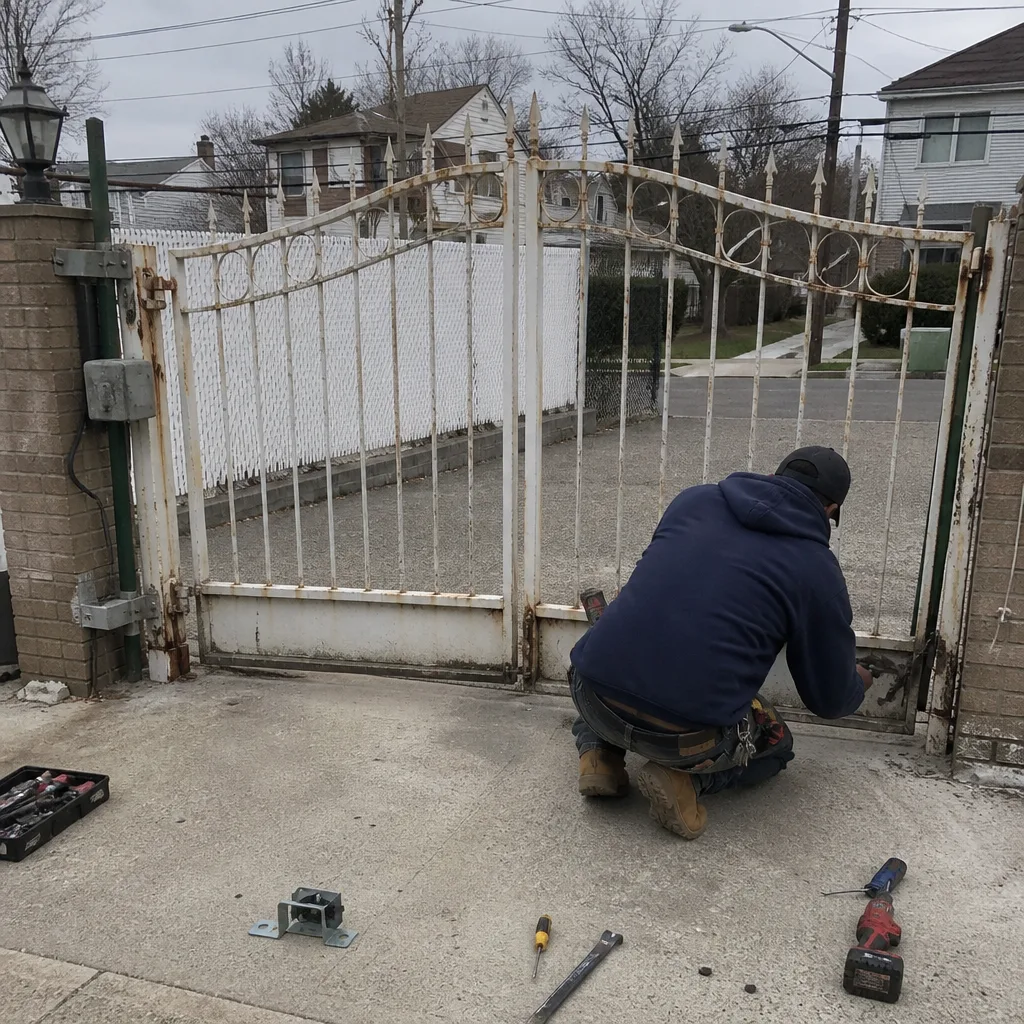 Before
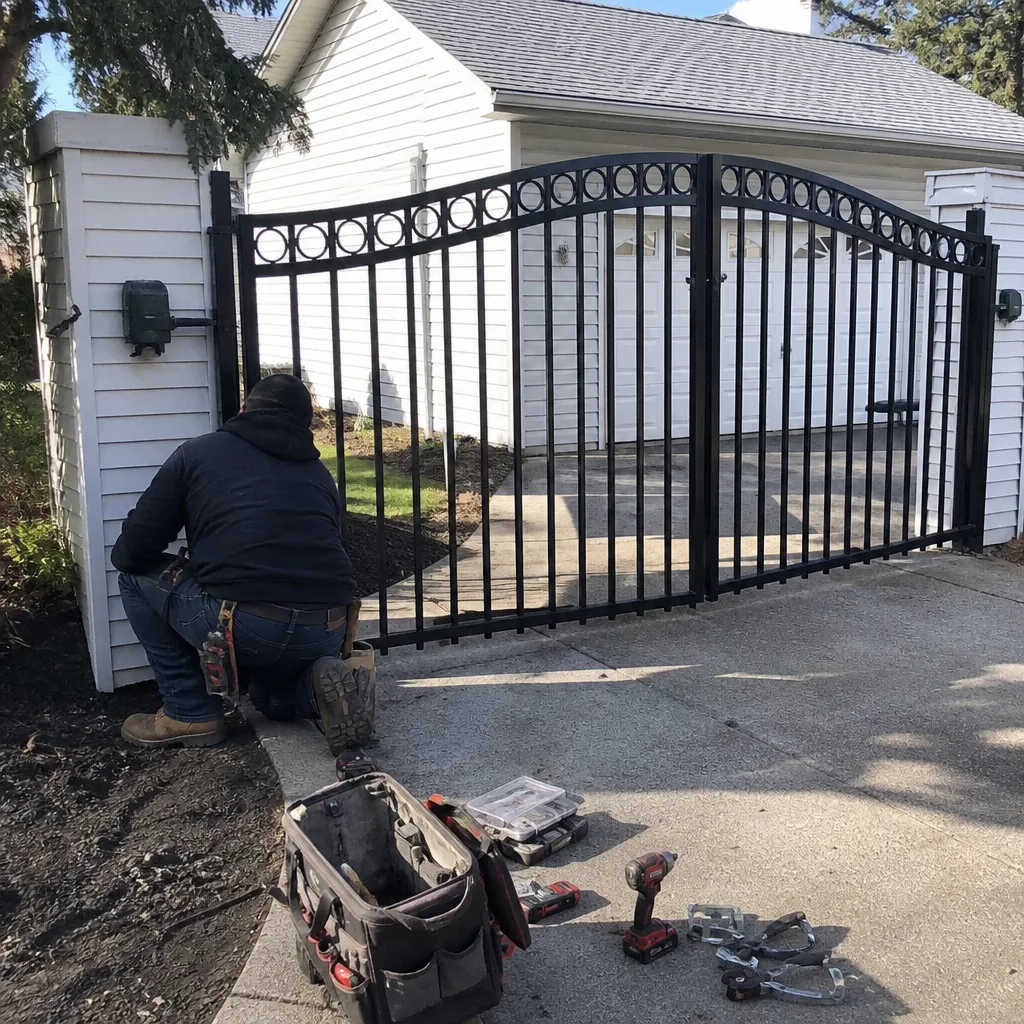 After
After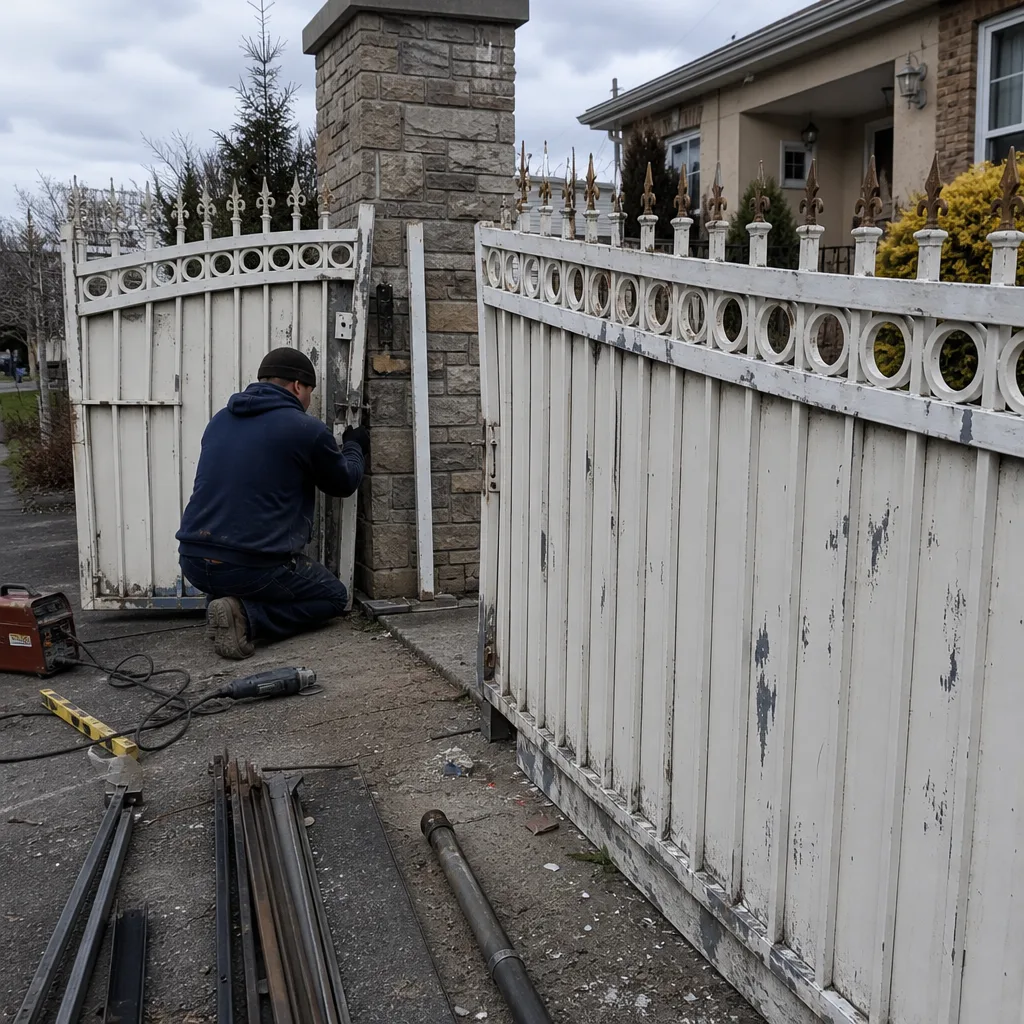 Before
 After
After Before
 After
After