
Last updated October 16, 2026
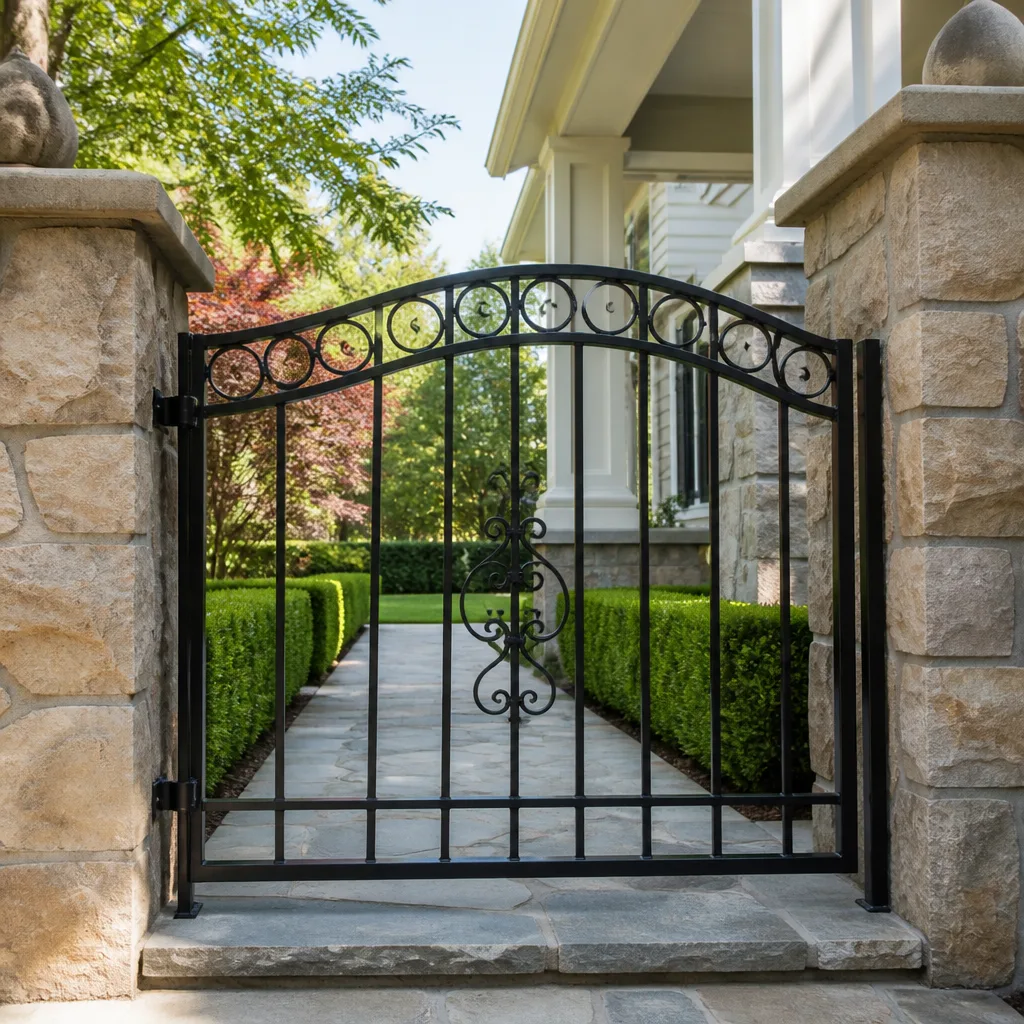 Wrought iron
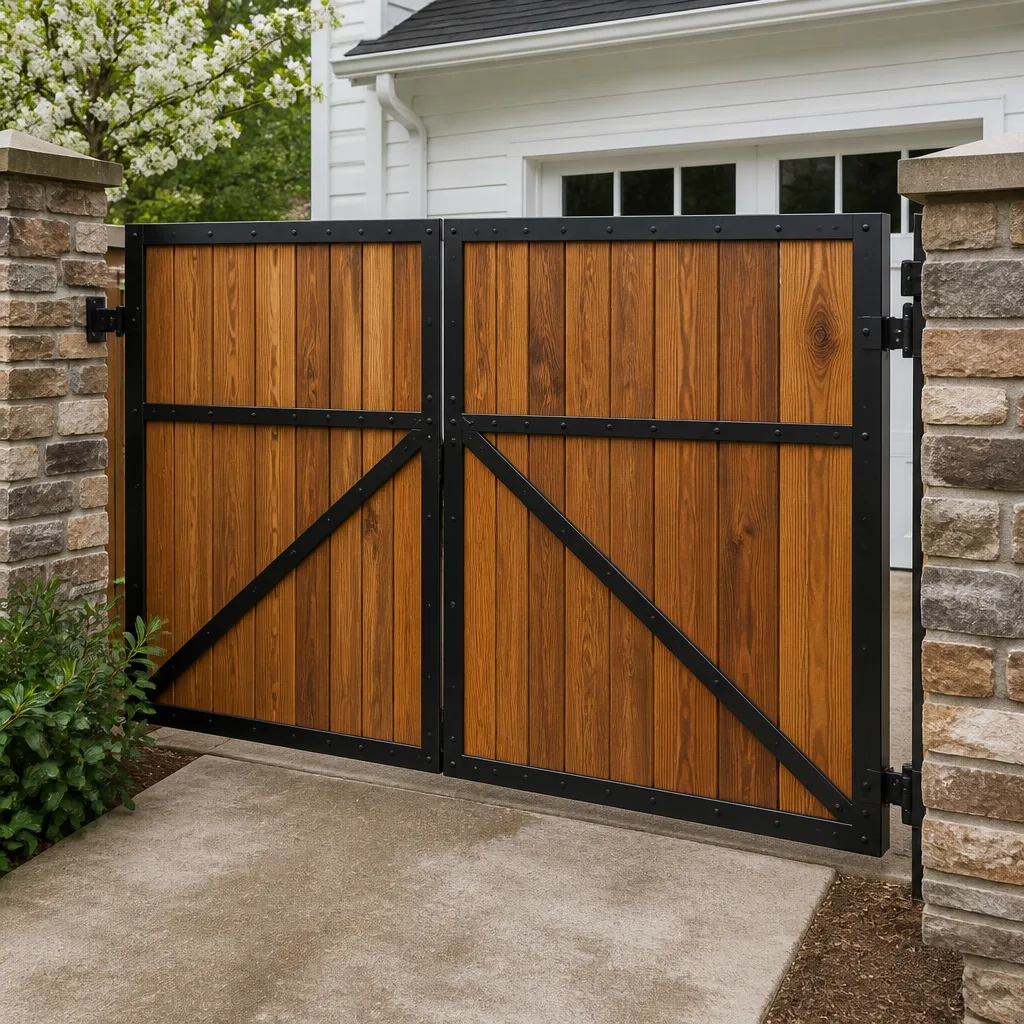 Wood & steel frame
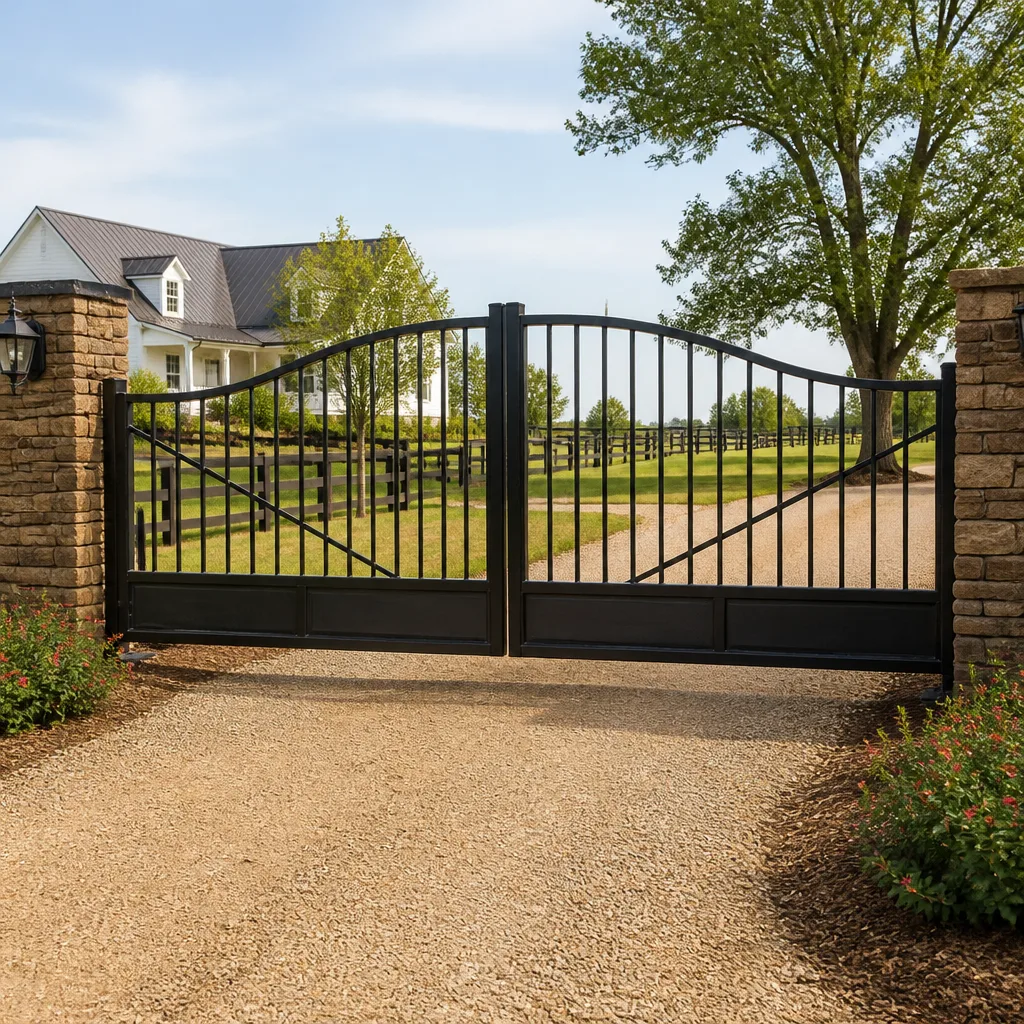 Farm & ranch
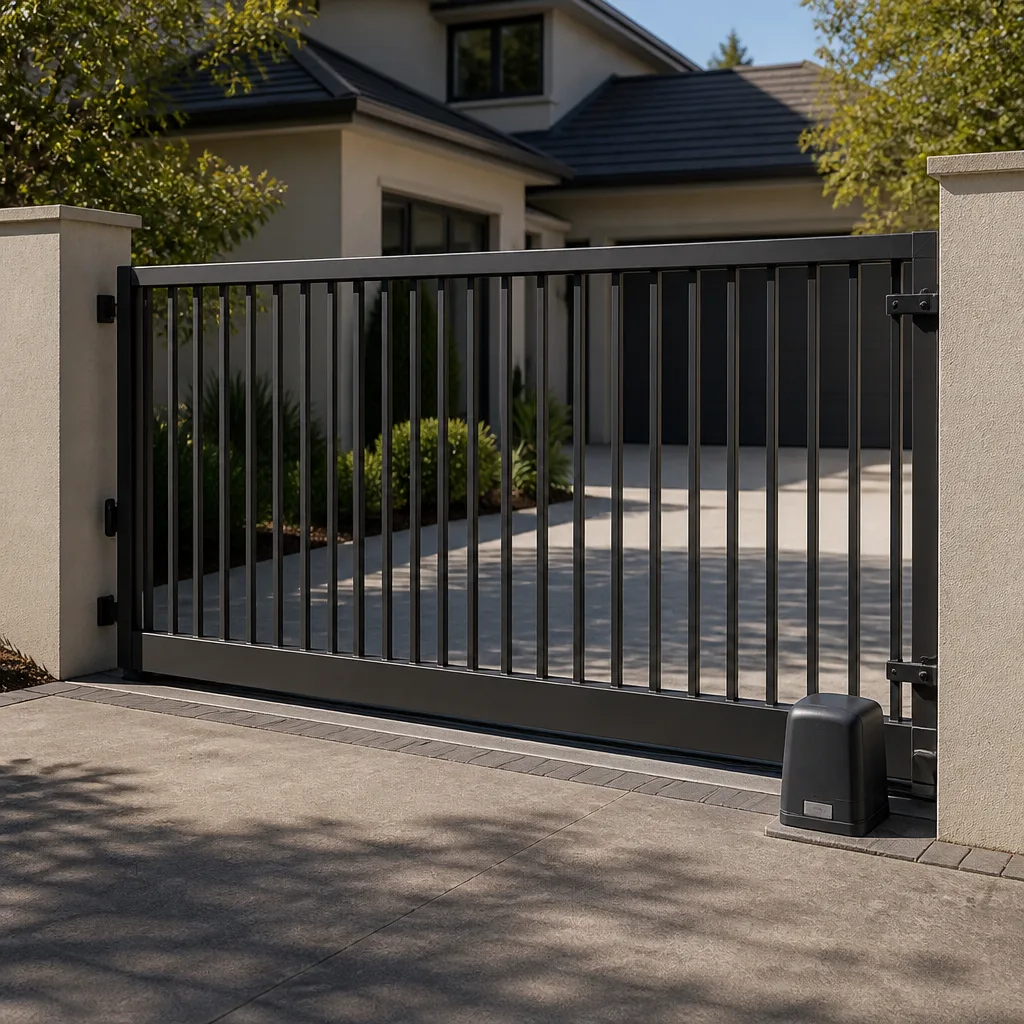 Sliding driveway gates
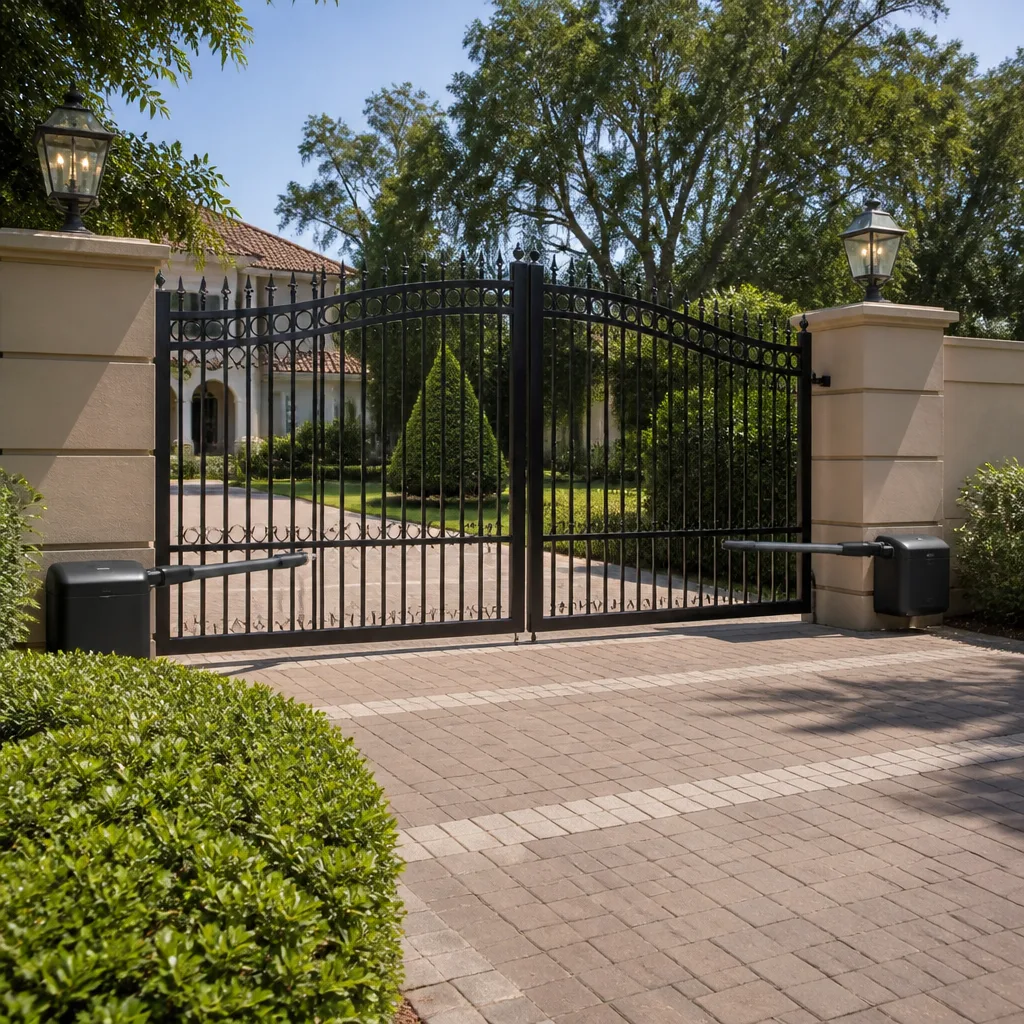 LiftMaster operators
Free on-site gate assessment - hinges, posts, and your LiftMaster or Nice gate operator checked before anything is quoted
The assessment is free and the quote is the invoice.
Get your free estimateSeasonal Gate Repair Care for Hempstead: Year-Round Homeowner’s Guide
The gate that freezes shut in January usually showed its first symptom in October: a half-second lag in motor travel that nobody investigated. Hempstead homeowners tend to notice gate problems the way they notice a failing battery in a truck, all at once, at the worst moment, usually when the temperature drops below 25°F or climbs past 90°F. This guide is a discipline, not a theory. You’ll learn what to check each season, what each check costs in time and dollars, what can wait, what cannot, and how to build a 12-month maintenance log that turns surprise breakdowns into scheduled service. We’ve provided Gate Repair services in Hempstead long enough to know the town’s climate punishes deferred maintenance harder than most.
Styles & brands we work with
Quick Answer
Seasonal gate care in Hempstead comes down to two threats: winter frost heave that shifts posts and misaligns tracks, and summer heat that overheats motors and degrades plastic limit-switch housings. Most gate damage is preventable with four 20-minute inspections per year, focused on lubrication, battery voltage, hinge alignment, and drainage. The repairs you skip in October are the emergency calls you make in February, and they cost three to five times more, as our DIY vs Professional Gate Repair: The Hempstead Homeowner’s Decision Guide explains.
Table of Contents
- Fall Pre-Winter Prep: The October Discipline
- Winter Freeze-Thaw: What Moves, What Breaks, What It Costs
- Spring Post-Frost Realignment and Corrosion Check
- Summer Heat: Motor Duty Cycles and UV Degradation
- How to Build a 12-Month Gate Maintenance Log
- Common Mistakes to Avoid
- When to Call a Professional
- Frequently Asked Questions
- The Bottom Line
Fall Pre-Winter Prep: The October Discipline
October in Hempstead is when the ground is still warm enough to work comfortably and cold enough to remind you what’s coming. The single most productive hour a gate owner can spend all year happens this month. Here is the checklist, in order of priority.
- Lubricate every hinge and pivot point. Use a lithium-based grease on hinge pins, articulating arms, and slide-gate rollers. Do not use WD-40; it displaces moisture temporarily and attracts dirt. A $9 tube of white lithium grease applied to the hinge pins of a swing gate in October prevents the $380 service call in January when a seized pivot shear-pins the motor.
- Test the battery voltage on the operator’s backup system. Most Hempstead gate operators run on a 12-volt battery for backup during power outages, which are a regular feature of Long Island winters. A healthy battery reads 12.6 to 12.8 volts at rest. Anything below 12.3 needs a charge or replacement before the first nor’easter.
- Check limit switch travel. Cold air makes metal contract. A gate that opens exactly to the limit in August may travel 1/4 to 1/2 inch short in January because the thrust rod and chain have tightened. Adjusting limit switches in October, when the temperature is moderate, is a 10-minute task. Skipping it means the motor stalls against the stop in winter, and stall current is what burns out capacitor windings.
- Inspect the safety edges and photoelectric sensors. Frost and condensation inside sensor lenses cause false obstruction readings. Wipe lenses with a dry cloth, check wire connections at the terminal strip, and make sure nothing has grown over the sensor path since August.
For owners in neighborhoods like East Meadow, Uniondale, West Hempstead, and the village of Hempstead itself, October is also the time to clear leaves from around the gate track and footing. Decaying leaf matter holds moisture against steel hardware for months, and that moisture is what turns surface rust into pitted corrosion by April. If you want a deeper look at what’s worth repairing versus replacing, our Gate Repair in Hempstead page covers the decision framework in detail.
Winter Freeze-Thaw: What Moves, What Breaks, What It Costs
Hempstead winters don’t stay frozen. They cycle. The ground freezes, thaws, freezes again, sometimes four times between December and March. Each freeze-thaw cycle moves the soil around gate posts a tiny amount. Over one winter, those tiny movements add up to a post that’s 1/4 inch out of plumb. That’s enough to drag a cantilever gate roller against its track and enough to change a swing gate’s closing arc so the latch no longer seats.
Here’s what that misalignment actually costs, in dollars, based on the work we do in Hempstead:
- Latch realignment on a swing gate: $85 to $150, if caught early and the post hasn’t shifted more than 1/2 inch.
- Track grinding on a slide gate: $120 to $225, which covers adjusting the roller trucks and re-lubricating the rail.
- Post re-setting: $400 to $800, required when the post has shifted enough that no amount of hinge adjustment compensates. This is the November fix that becomes a February excavation job, because frozen ground is harder and slower to dig, and frozen concrete doesn’t set.
- Motor replacement after stall damage: $650 to $1,800 depending on the operator. A motor that grinds against a misaligned gate draws excessive current, overheats, and fails internally. The motor doesn’t care that the gate was the problem.
Why February gate work costs more: concrete work in frozen ground requires ground thawers or waiting for a thaw window, both of which add labor hours. Motor replacements that could have been scheduled in November become same-day emergency dispatches, and emergency dispatch rates in the trade run higher. The number of Hempstead homeowners who discover a gate frozen to the ground at 6:30 a.m. on a workday is not small. The ice under a slide gate track and the packed snow against a swing gate’s arc are year-round problems in miniature: water gets where it shouldn’t, freezes, expands, and moves something that was never designed to move.
If your gate is already misaligned or the motor is struggling, the repair questions you’re asking are covered on our Gate Motor Repair in Hempstead page, from limit switches to controller boards to full operator replacement.
Spring Post-Frost Realignment and Corrosion Check
By late March, Hempstead’s ground has thawed and every gate post has settled wherever the winter moved it. Spring is when you find out what the frost actually did. The first realignment check should happen on the first weekend with a dry forecast after the last thaw.
Three checks matter most in spring:
- Gate leaf level and plumb. Place a 4-foot level against the gate frame in two positions, vertical and horizontal. On a swing gate, the gap between the two leaves should be even top to bottom. On a slide gate, the gate should roll the full travel without the wheels leaving the rail. A gate that passes this check in April is a gate that probably won’t eat a motor in July.
- Drainage around the footings. Walk the gate line after a rainstorm. Water pooling against posts or flowing toward the operator base is a rust and electrical fault waiting to happen. Long Island’s clay-heavy soil holds water against steel long after the surface looks dry. If water stands against a post for more than an hour after rain, cut a shallow drainage channel or regrade that spot with a bag of stone dust. This is a $20 fix that prevents a $600 post-replacement job.
- Hardware corrosion assessment. Exposed bolts, hinge straps, and the operator’s chassis take the worst of winter road salt and de-icing chemicals carried in the air. Look for white powdery oxidation on aluminum and red-brown rust on steel. Surface rust brushes off and gets treated with a rust converter. Corrosion that has eaten into the bolt threads or the hinge strap itself means replacement, not treatment.
Spring is also when we see a spike in gate operator failures from winter moisture. Condensation inside the control board housing, corrosion on the limit switch terminals, and a ground-fault tripping the breaker are the three most common post-winter repairs in Hempstead. Many of these are minor when caught in March and major when ignored until the gate stops responding entirely in June. The seasonal pattern is consistent enough that we plan our spring parts inventory around it.
Summer Heat: Motor Duty Cycles and UV Degradation
Hempstead summers now regularly push past 90°F, and the heat does two things to gate systems. It overheats motors that operate too frequently, and it bakes plastic components, insulation, and seals until they become brittle. Both failures are quiet until they aren’t.
Motor duty cycle. Every gate operator has a rated duty cycle, usually expressed as cycles per hour or minutes of continuous operation. A typical residential swing arm operator, whether it’s a LiftMaster LA400 or a FAAC 390, is rated for continuous operation far below what a homeowner family with teenagers and frequent deliveries actually demands. When the temperature sits above 90°F, the motor’s thermal overload protection trips sooner. The operator shuts down, cools, and resets. Homeowners interpret this as a motor “acting up.” It’s actually the motor doing exactly what it was designed to do: protecting itself from burnout. If your gate opens and closes normally in the morning but stalls out mid-afternoon, duty cycle is the first thing to check. The fix is often reducing the open-hold time or installing a faster operator model suited for higher traffic, not replacing the motor.
UV degradation. The plastic housing around limit switches, the wiring insulation inside the operator chassis, and the rubber seal on the control board cover all degrade under sustained sun exposure. By August, a Hempstead gate that faces west has absorbed several hundred hours of direct afternoon sun. Hairline cracks in the limit switch housing let moisture in during the next rain, and moisture inside a switch is a short circuit. The polyester powder coat on steel gates also chalks and thins under UV. It looks cosmetic. It isn’t. Once the coating fails, the steel underneath begins rusting within weeks in Long Island’s salt air, and a $75 touch-up job becomes a $1,200 sandblast-and-recoat.
What to do in summer: listen for changes in the operator’s sound. A motor that sounds labored in the heat is asking for a duty-cycle adjustment. Inspect every plastic component on the operator for yellowing or cracking. Touch up any scratch in the gate’s coating before October, not after. And if your operator is more than eight years old, consider whether it’s time for a Gate Installation in Hempstead before the next winter puts it on life support. We work on Elite, Mighty Mule, FAAC, and LiftMaster operators regularly, and each brand has its own heat-related failure signature.
How to Build a 12-Month Gate Maintenance Log
A maintenance log sounds like paperwork. It’s actually the cheapest diagnostic tool a gate owner can own. Here’s the structure we recommend for Hempstead homeowners, and it’s the same structure our technicians use to spot pattern failures before they become emergency calls.
The log format
Use a notebook, a spreadsheet, or a note on your phone. Four entries per year, one per season. Each entry takes 10 minutes and should record five data points:
- Date and outside temperature. This matters because gate behavior changes with temperature. A winter entry at 22°F is a different data point than a summer entry at 92°F.
- Gate travel time from closed to open. Time it once per season. A swing gate that takes 11 seconds in March but 14 seconds in September is telling you something about hinge wear, motor strain, or track resistance. That extra three seconds is diagnostic data you didn’t have before.
- Battery voltage reading. Numbers only, no judgment: 12.7, 12.4, 11.9. A downward trend across two seasons is a predictable failure you can schedule.
- Visual observations. Rust spots, cracks, leaning posts, new sounds, anything that changed since last season. Write what you see, not what you think it means.
- Any service performed. What was done, by whom, what it cost, what parts were used. This creates a paper trail that prevents repeat diagnostics when a problem returns.
What the log reveals
A single entry tells you almost nothing. Four entries, one year apart, tell a story. The battery that dropped from 12.6 to 12.3 to 11.9 over three seasons was never a mystery; it was a calendar event that should have been scheduled in October, not an emergency in February. The gate that gained two seconds of travel time every spring reveals a motor wearing out over two years, not suddenly failing one Tuesday. The log turns your gate from a thing that surprises you into a system that reports its own decline. If a repair does come up, hand the log to your technician. A technician who can see 18 months of your gate’s history can diagnose in 20 minutes what otherwise takes an hour of guesswork.
At Carver Gate Repair Hempstead home, we ask for the log on every service call. It’s the single best prep a homeowner can do, and it’s free.
Common Mistakes to Avoid
- Lubricating with the wrong product. Penetrating oil is not grease. It frees a stuck part temporarily and then disappears, leaving the metal dry and more prone to seizing. Use lithium grease on load-bearing surfaces and silicone spray on rollers and slides.
- Ignoring the half-second lag. That barely perceptible hesitation when the gate starts moving is the first warning that a motor is straining, a capacitor is weakening, or a hinge is beginning to bind. Every component failure we see in Hempstead starts with a hesitation someone noticed and dismissed.
- Waiting until the ground is frozen to adjust the gate. Post realignment in January means digging through frozen soil or waiting weeks for a thaw. The same job in October takes hours, not days, and costs half as much.
- Power-washing the operator. Gate operators are water-resistant, not waterproof. A pressure washer forces water past seals and into the control board, causing corrosion and shorts that don’t show up for weeks. Wash gates by hand with a bucket and sponge, and never spray the operator directly.
- Treating rust as a cosmetic issue. In Hempstead’s salt air, surface rust becomes structural rust faster than most homeowners believe. A quarter-sized rust spot on a hinge strap is a structural failure in progress.
- Skipping the sensor check because the gate “works fine.” Safety sensors can fail silent. The gate will operate normally until the day a fault in the sensor circuit trips the control board, and then you’re diagnosing an electrical problem instead of replacing a $40 component.
When to Call a Professional
Some seasonal maintenance tasks are homeowner work: lubrication, visual inspection, log-keeping, cleaning sensors, checking battery voltage if you own a multimeter and know how to use it. Other tasks are not. If your gate posts have shifted visibly, if the operator is tripping breakers or the thermal overload repeatedly, if the gate makes a grinding sound you can’t trace, or if any wiring shows signs of burning or melting, stop and call someone who works on gates full-time. Gate springs under tension, heavy gate leaves, and 120-volt wiring are not places to learn by doing. Carver Gate Repair Hempstead offers free estimates in Hempstead. Call (516) 559-4870 and we’ll send a technician who works on gates every day, not a generalist who’s fitting you in between gutters and garage doors.
Frequently Asked Questions
Seasonal gate maintenance in Hempstead typically costs $75 to $175 per visit for a lubrication, inspection, and minor adjustment. A homeowner who does the basic quarterly checks themselves, lubrication, visual inspection, battery reading, sensor cleaning, can expect to spend under $30 per year on supplies. A professional tune-up twice a year, once in spring and once in fall, runs $150 to $350 total, which is less than most emergency gate-motor repairs. Call (516) 559-4870 for an exact quote, estimates are free and the price is always written before work starts.
Yes, and it happens most often when a slide gate’s track is set slightly below grade, or when snow and ice build up against the gate’s path and refreeze overnight. Freezing rain is the worst culprit. A gate frozen to the ground usually needs manual clearing and, if the motor attempted to operate against the ice, a check for gear or sprocket damage afterward. The prevention is keeping the track clear and the drainage around the gate path working before the first hard freeze.
There is no single brand that makes climate irrelevant. What matters more is whether the operator is the right model for the gate’s size, duty cycle, and exposure. We service LiftMaster, FAAC, BFT, Linear, Viking, Ghost Controls, DoorKing, Elite, and Mighty Mule, and we see long-lived and short-lived units from every brand. The operator with the right maintenance log, the right duty cycle rating, and a clean, dry control board will outlast a premium unit that was ignored.
No. A gate that isn’t operated all winter still experiences temperature swings and moisture. The battery discharges, the grease thickens, and the seals dry out. The gate should be operated at least once every week or two through the winter, after clearing any snow and ice from its path. This keeps the motor’s internal components exercised and gives you a chance to hear any changes.
A full gate installation includes site measurement, post setting, gate leaf fabrication or assembly, operator installation, safety sensor installation (photo eyes and edges), limit switch adjustment, and final testing. Concrete work has to cure before the gate can be put into service, so a full installation is a scheduled project, not a same-day job. A written price covers the entire job before work begins. For details on materials and timing, see our Gate Installation in Hempstead page.
Yes. We keep Hempstead service appointments open for same-day dispatch on gate and motor failures, because a gate that won’t open is often blocking vehicles and the problem compounds. Call (516) 559-4870, a live person answers 24/7, and we’ll tell you when a technician can be there and what the service fee will be before anyone gets in the truck.
The Bottom Line
Hempstead’s climate punishes the deferred gate. Frost heave moves posts. Salt air eats steel. Summer heat overworks motors and bakes plastic components brittle. But the season that does the damage is rarely the season that reveals it. An October adjustment prevents a February excavation. A March rust treatment prevents an August structural failure. A summer duty-cycle check prevents a January motor replacement. The gate owner who spends one hour per season on inspection, lubrication, and a maintenance log will spend less money and fewer emergency mornings than the owner who waits. The log is the discipline. The log is the difference between a gate that reports its own decline and a gate that collapses without warning. For deeper seasonal detail, see The Complete Guide to Gate Repair in Hempstead. Written by Lonnie Burke, Owner at Carver Gate Repair Hempstead, serving Hempstead since 2008.
See the difference
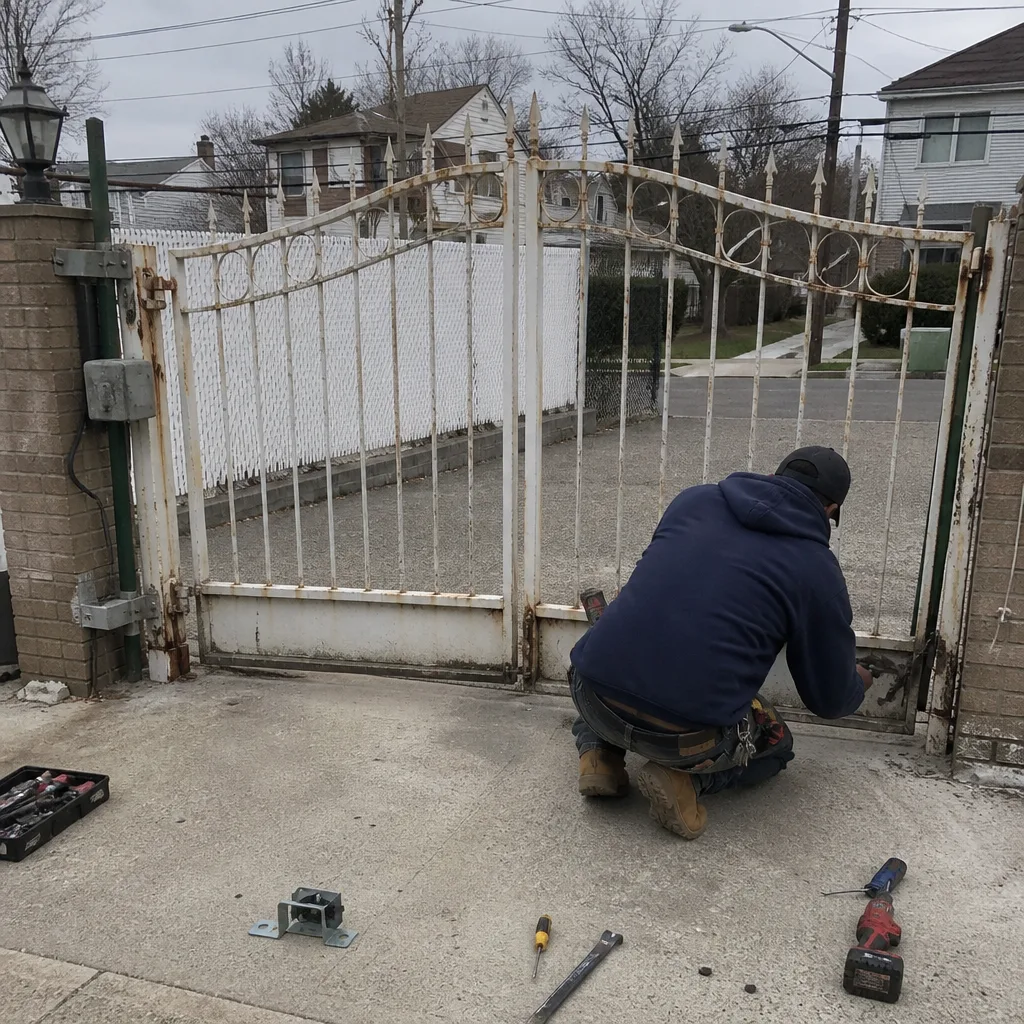 Before
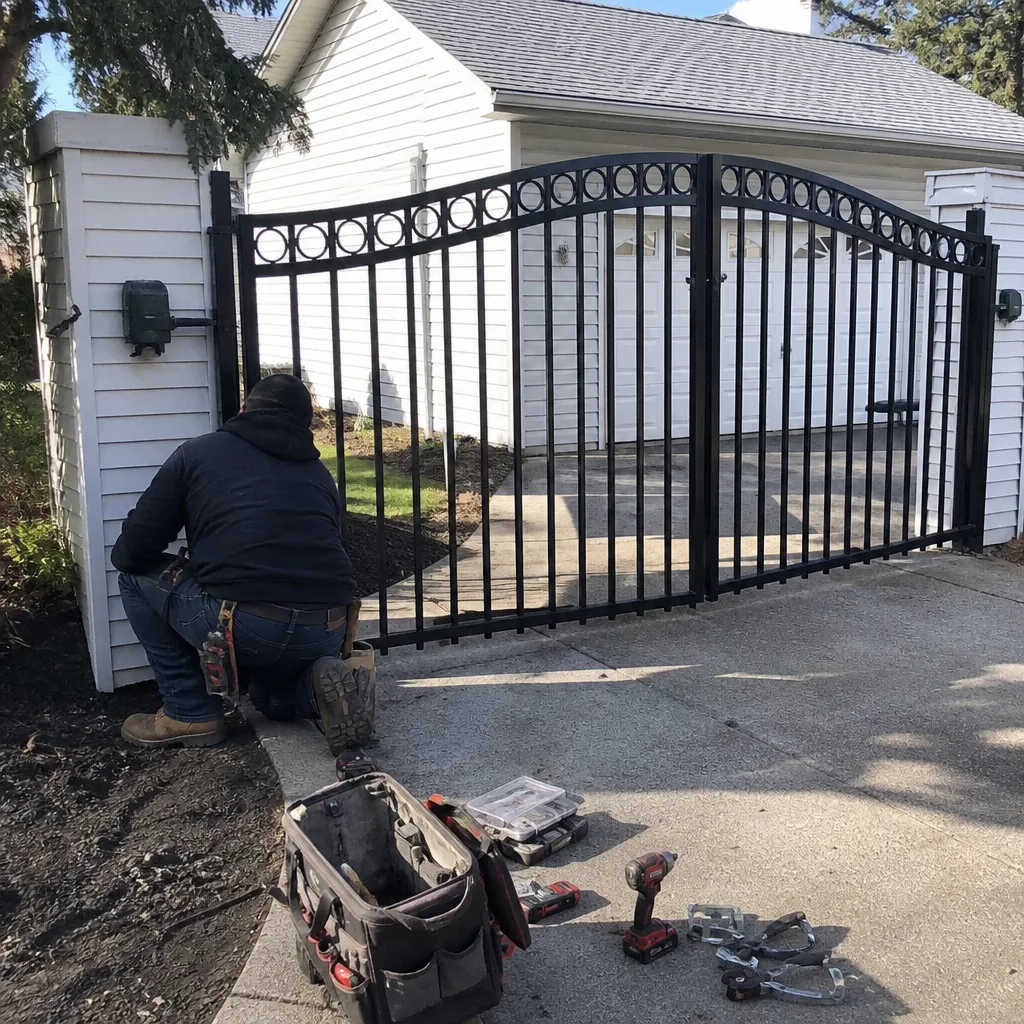 After
After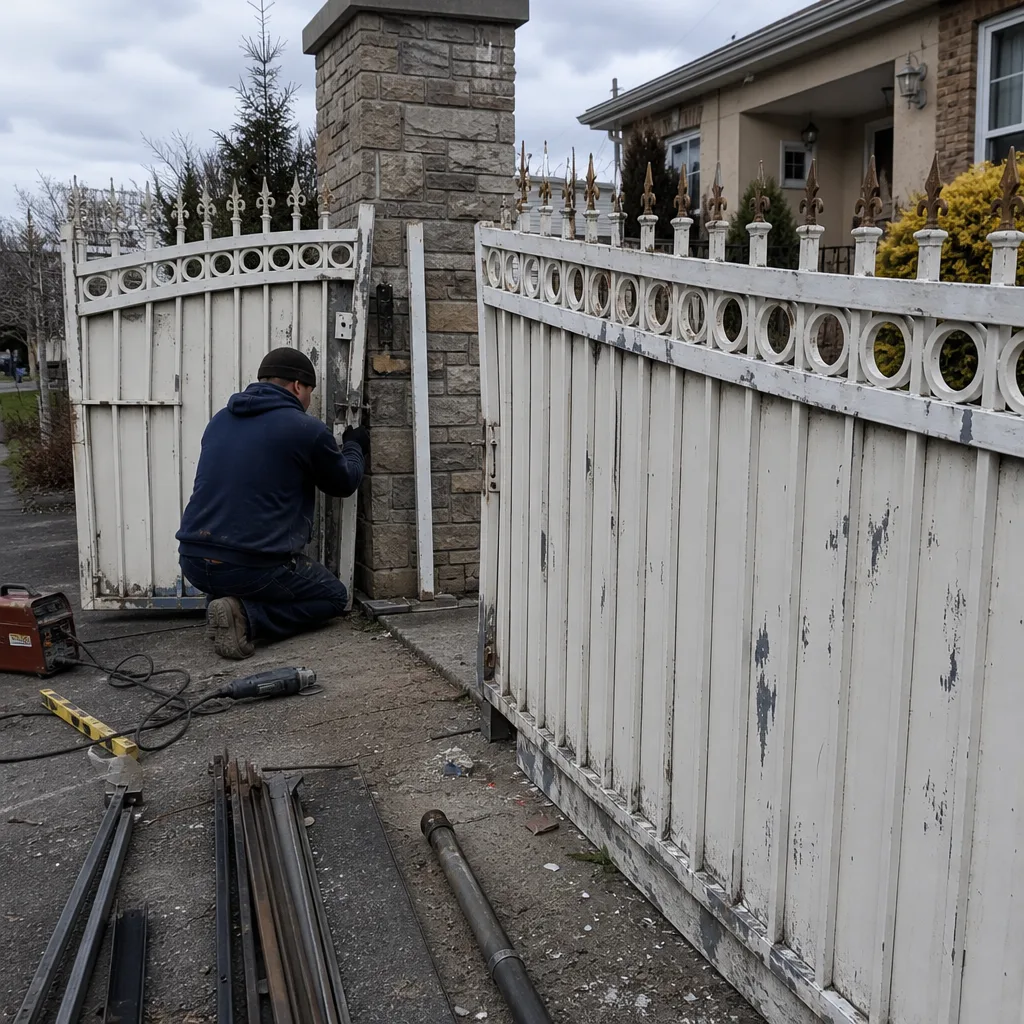 Before
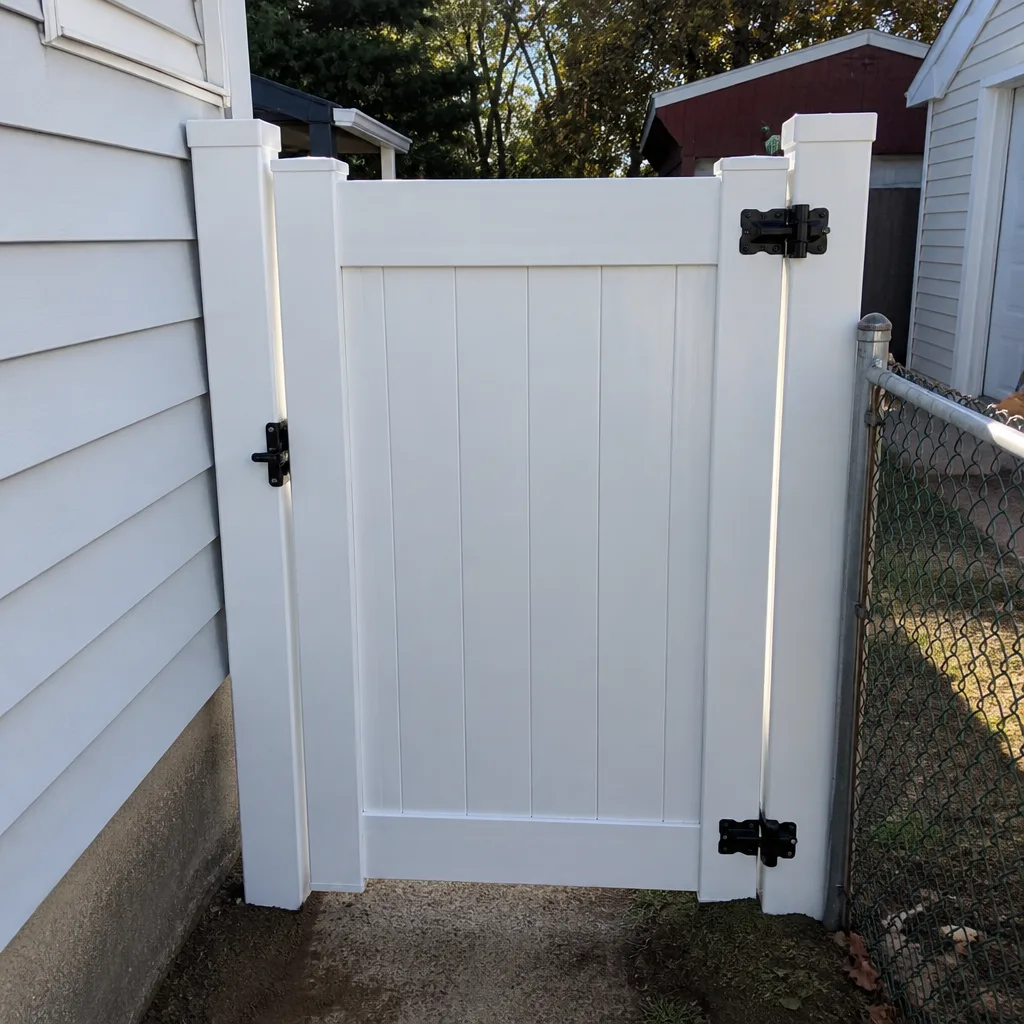 After
After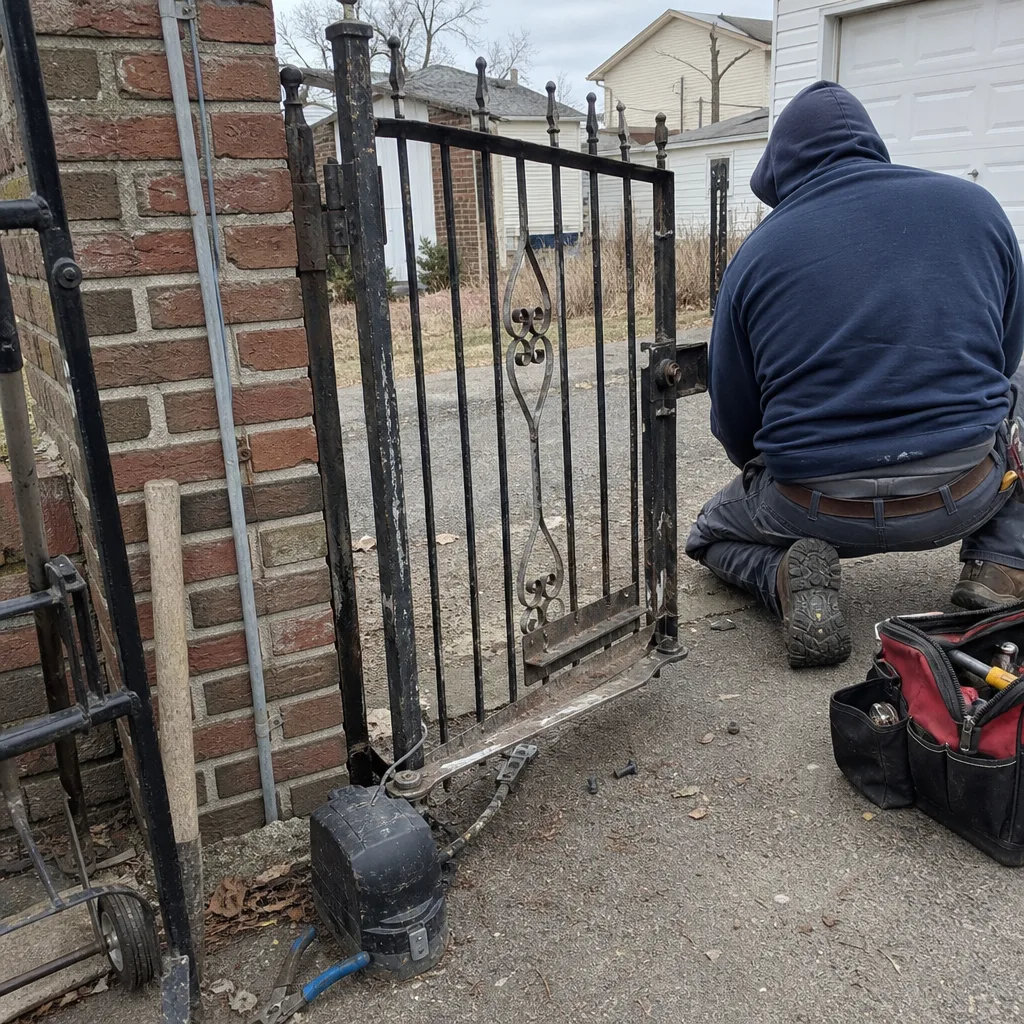 Before
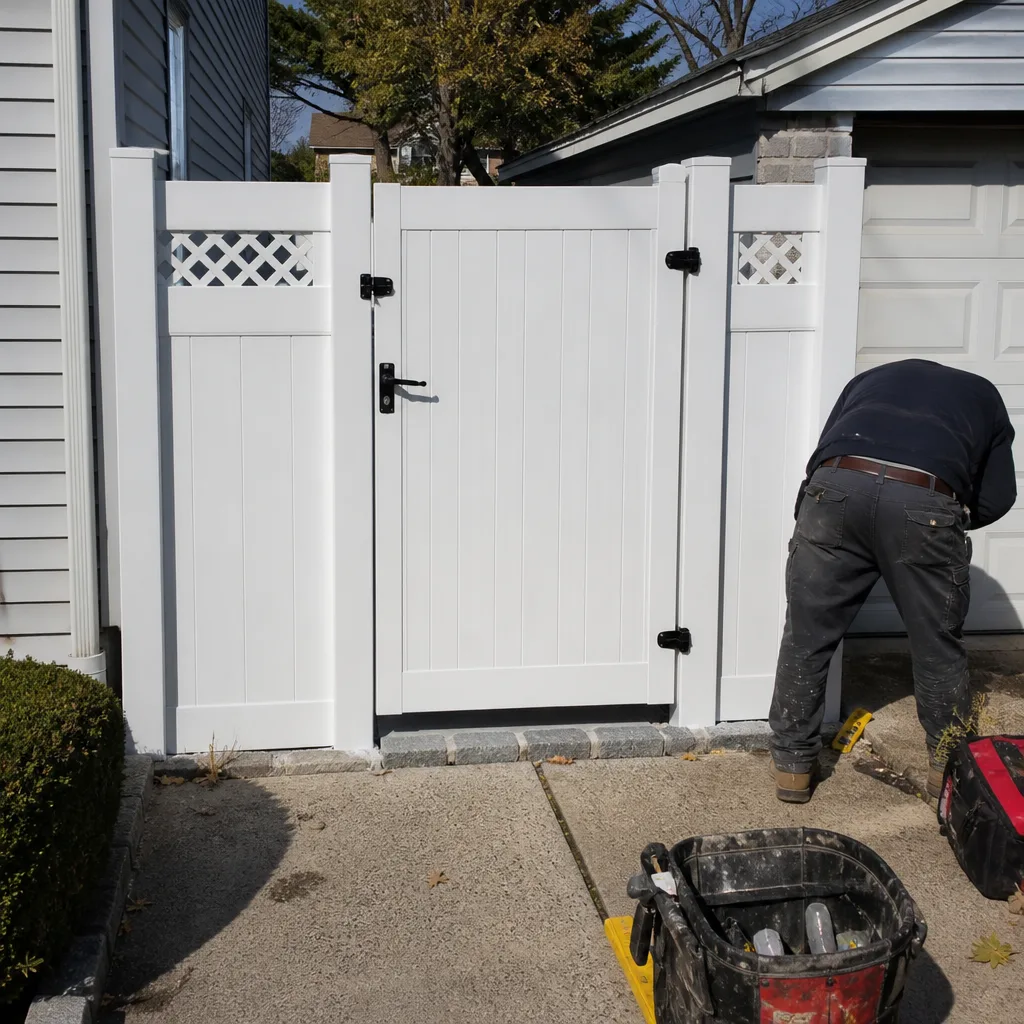 After
After